0:00 Problem With Understanding Large Codebases
Jumping into an unfamiliar codebase is one of the most daunting tasks a developer faces. Whether it's a new job, an open-source project, or a legacy system, understanding how thousands of files relate to each other is a time-consuming nightmare.
Traditional approaches — reading READMEs, grepping for keywords, or asking teammates — only get you so far. You end up with fragmented mental models that take weeks to solidify. The bigger the codebase, the worse the problem becomes.
"You can read every file in a repo and still not understand how the system actually works."
0:43 What Is Understand-Anything?
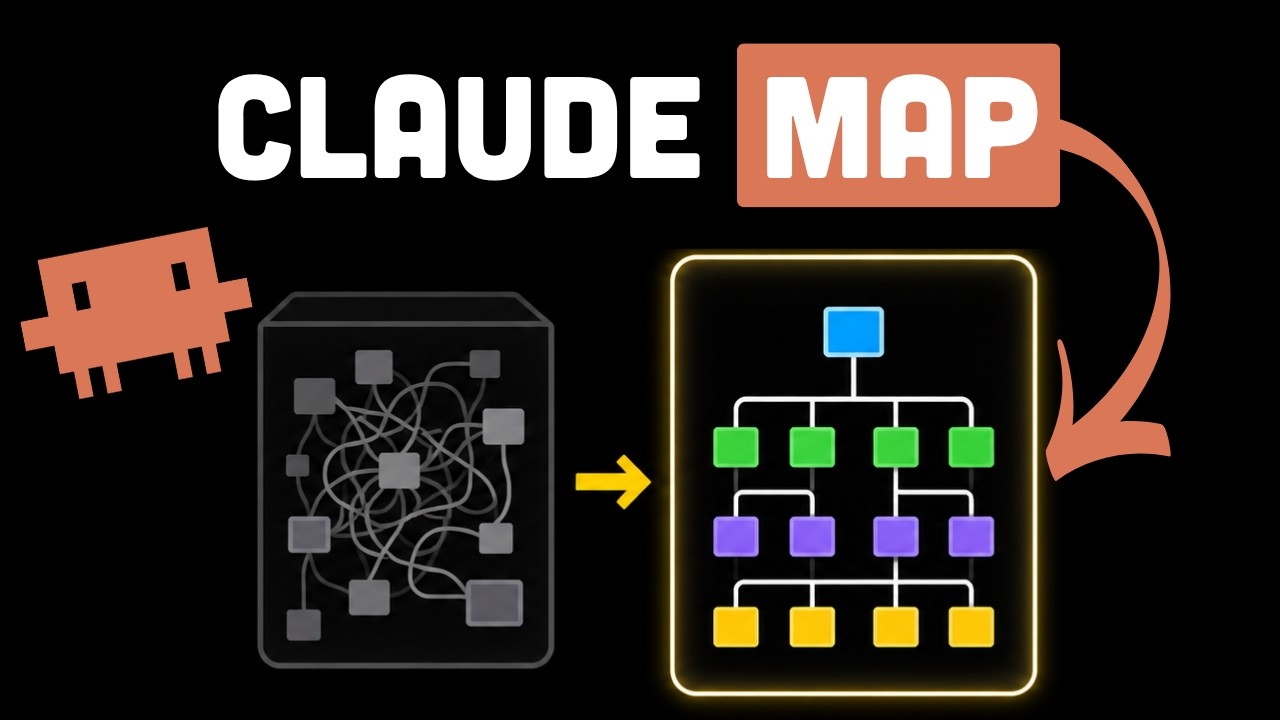
Understand-Anything is an open-source tool that uses AI to automatically build a knowledge graph of any codebase. It analyzes the relationships between files, modules, functions, and services, then presents them as an interactive, navigable map.
Key characteristics:
- Works with any language or framework — polyglot by design
- Generates a visual knowledge graph showing service boundaries and dependencies
- Integrates as a Claude Code plugin, letting you query the graph directly from your AI coding assistant
- Open-source and runs locally against your repository
1:34 Live Demo on Google Microservices Repo
The demo runs Understand-Anything against Google's Online Boutique, a well-known microservices demo application with services in Go, Python, Java, and C#.
Within minutes, the tool ingests the entire repo and produces a graph visualization showing each microservice, their inter-service communication patterns, and shared dependencies. You can click into any node to see what files compose that service and how data flows through it.
The graph reveals architectural patterns that would take a human hours to map manually — like which services share a common protobuf definition layer and which are isolated.
3:00 Features: Dashboard, Search, Guided Tour
Beyond the graph, Understand-Anything offers three core features:
- Dashboard — a high-level overview of the repo's architecture, including stats on languages, service count, and complexity metrics
- Semantic Search — ask natural language questions like "how does checkout handle payment?" and get answers grounded in actual code paths
- Guided Tour — an AI-generated walkthrough that takes you through the codebase section by section, explaining the purpose and design of each component
The guided tour is particularly useful for onboarding new developers — it's like having a senior engineer walk you through the project on your first day, except it's always available and always up to date.
5:30 Verdict: Token-Hungry But Genuinely Useful
The main downside is token consumption. Building the knowledge graph for a large repo can burn through significant amounts of API credits since it needs to process every file through an LLM to understand relationships.
However, the output is cached, so you only pay the cost once per repo state. Subsequent queries against the same graph are fast and cheap.
"It's not free, but it's probably cheaper than the week of engineering time you'd spend building the same mental model manually."
Overall verdict: genuinely useful for teams inheriting codebases, doing due diligence on acquisitions, or onboarding engineers to complex systems. The Claude Code plugin integration makes it especially practical — you can query the graph without leaving your editor.