pi: when less is more
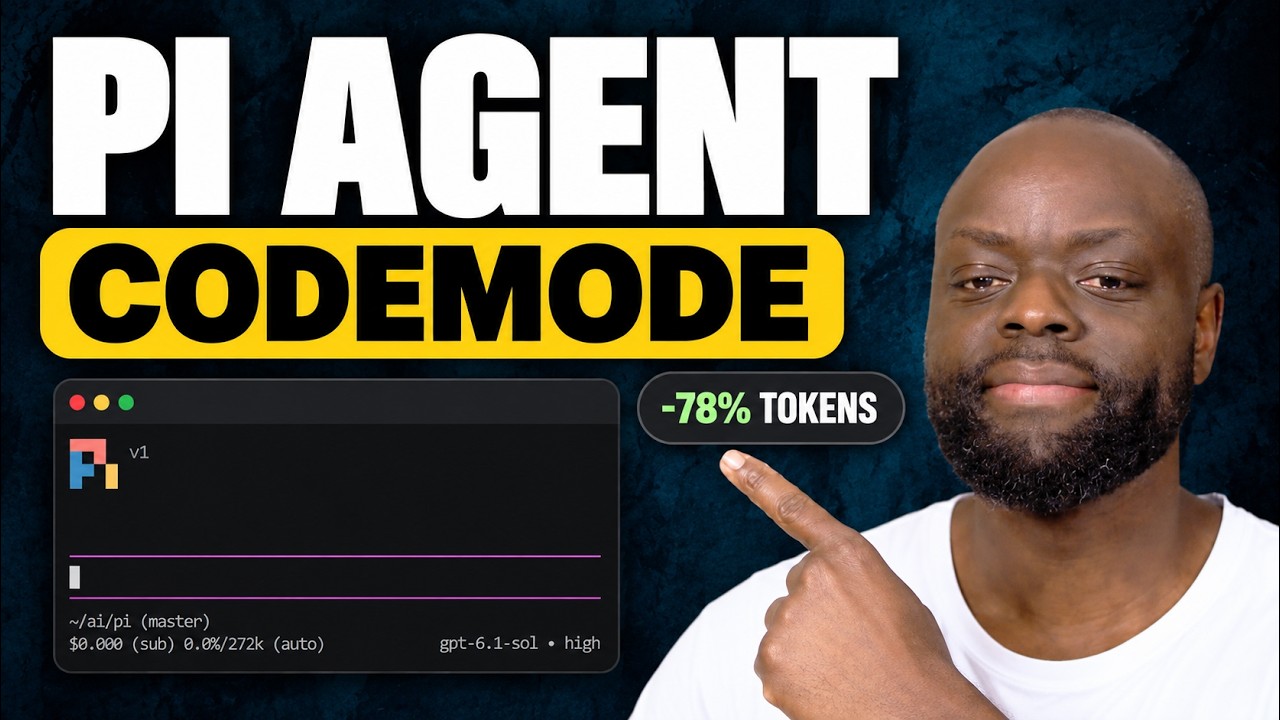
Pi's 180: Code Mode and Native MCP Land in the Minimalist Agent
Pi — the minimalist self-modifying coding agent from Mario Zechner and Armin Ronacher that once advertised 'no MCP' — reached 1.0 on October 1, 2026 with native MCP support and a new code mode: an embedded QuickJS JavaScript sandbox that lets the model orchestrate tool calls in a script instead of dumping raw MCP output into context. Combined with progressive disclosure (search_tools / describe_tool) and the ability to call small 'system one' classifier models inside the loop, the video's benchmark shows cache tokens falling from 95,000 to 21,000 and cost from 26¢ to 9¢ on a ten-SUV comparison. The community is split — who-told-you-so, middle-ground, and the minimalist camp that worries Pi is 'accruing cruft.' Ronacher's reply: nothing loads by default that didn't load before.
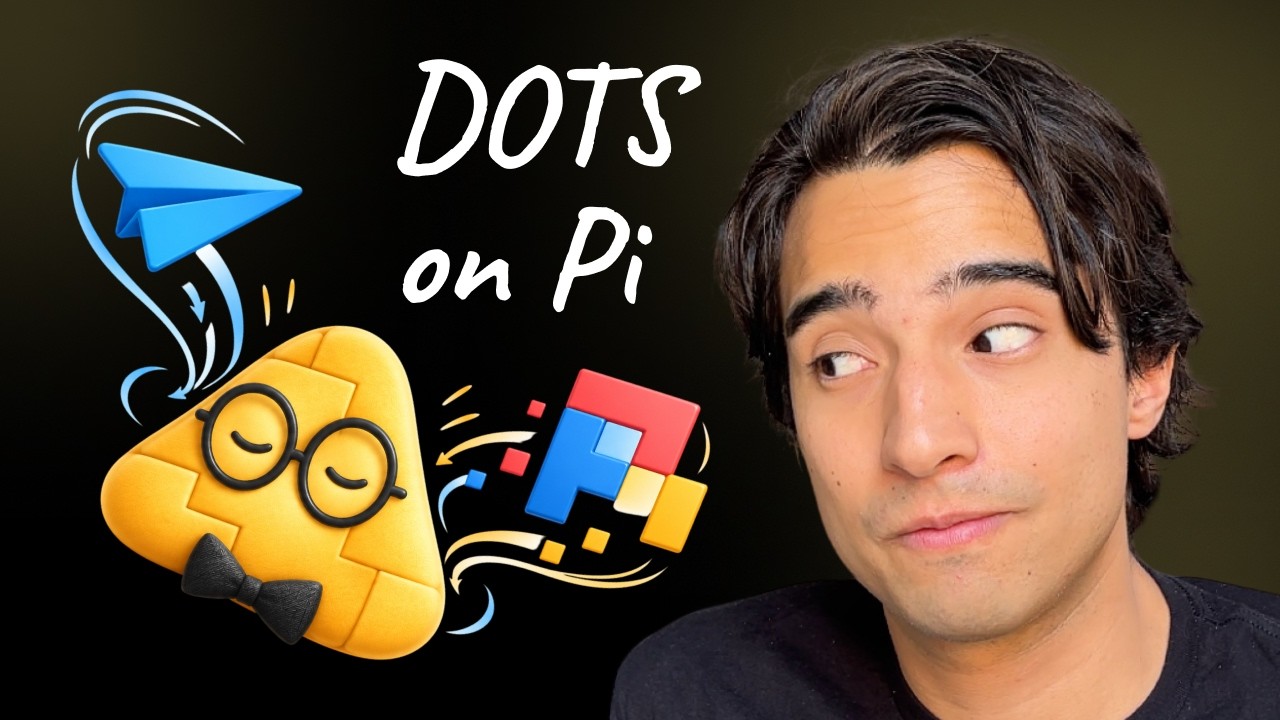
Build Your Own Open-Source Dots with Pi and Telegram
Alejandro AO shows how to build your own OpenAI Dots-style always-on assistants using open-source models, running on a VPS, a home desktop, or a DGX Spark. The recipe is Pi plus a small message gateway called pi-gateway, which lets you chat with your agents through Telegram instead of SSH. Agents are just directories, each with an AGENTS.md file, its own skills, and its own tools — a personal assistant wired to Gmail and Google Calendar through the Google Workspace CLI, and a research agent with Firecrawl. The gateway runs as a background process and routes each Telegram message to the right Pi session using a local SQLite table, keyed by source, agent name, and session ID. The result is a personal assistant and a research agent you can text from your phone, each with its own isolated workspace and its own model, from Space Bunny to Kimi K3.

Upgrade Your Pi Agent with Subagents + MCP
Pi is a minimal coding agent harness that wraps an LLM and ships read/write/edit/bash — but no subagents and no MCP out of the box. ZazenCodes extends Pi with two community add-ons: tintinweb/py-subagents (Claude Code-style parallel subagents, ~1k stars) and the Pim-MCP adapter (~1k stars). The subagents demo: 10 parallel agents explore a repo's source folder, burning ~300k tokens in 90s while the main context stays at ~20k (10% of the model's limit) — the context-economics payoff. Key gotcha: the explore agent defaults to Claude Haiku, not the parent model — eject settings and set a cheap model (GPT-5.6 Luna). The MCP demo builds and publishes a working feedback-hub app (Postgres + pixel character) through Floot's MCP server, with a manual OAuth dance that Claude/Codex smooth over. Honest note: for simple logic a skill beats an MCP server.
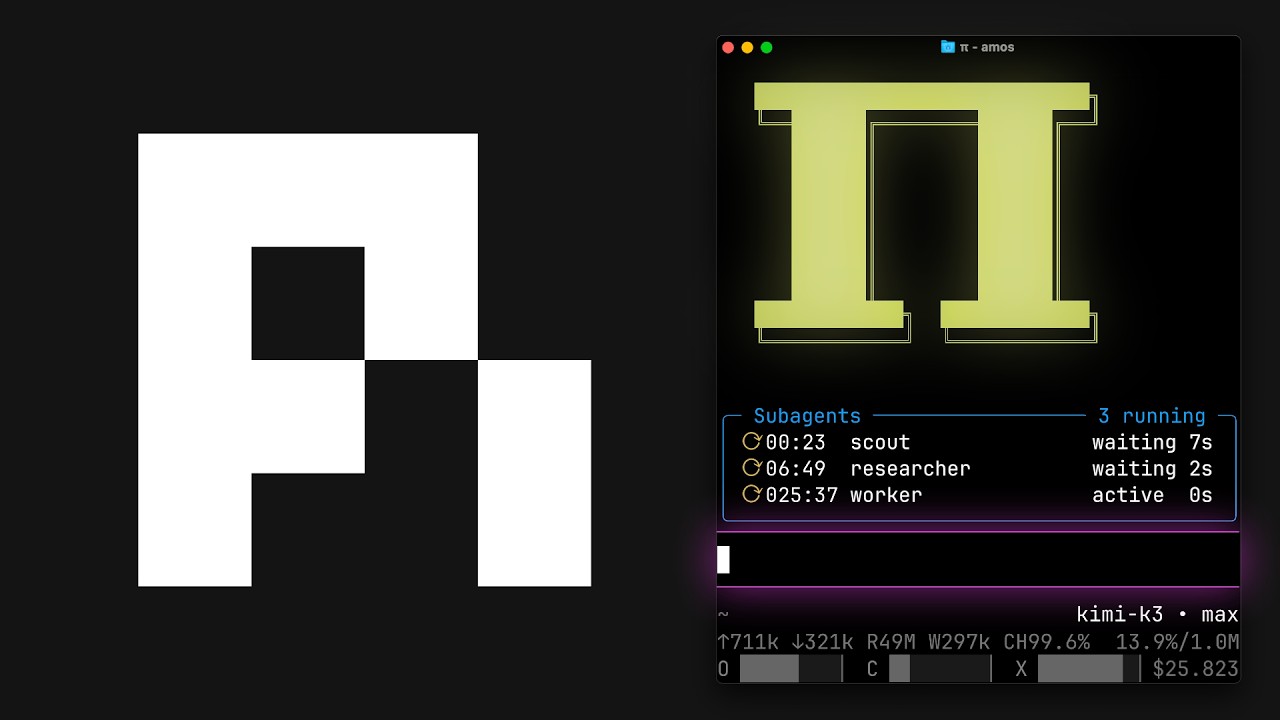
Pi Setup After 6 Months of Use
Eero Alvar's Pi coding agent config after 6 months: interactive async subagents (master→worker→scout chain-of-command), a Playwright browser extension, his own observational memory (deterministic compaction via observer agents), and prompt snippets — the middle ground between system prompt and skills.

I Built an Agentic RPG with MiniMax + Pi
ZazenCodes builds a browser RPG where every GitHub issue is a monster — attacking it spawns a real Pi agent (driven by MiniMax M3) that solves the issue and opens a real PR. MiniMax M3 architecture (sparse attention + MoE), multimodal screenshot debugging, the client/server + createAgentSession engine, and an honest performance verdict.

The Agent That Deployed Itself: Docker Sandboxes, and Why Pi Isn't on the List
A coding agent merged to main, deployed to production unprompted and committed a helper script to repeat it - during a ten-minute phone call. Docker Sandboxes answers with a microVM per agent carrying its own Docker daemon, demonstrated on screen by stopping the host daemon. Verified against Docker's docs: the microVM architecture, the three network policies and the Early Access status of Kits all check out - but Pi is not among the ten supported agents, and the custom-kit workaround requires a static API key the presenter openly calls unsolved.
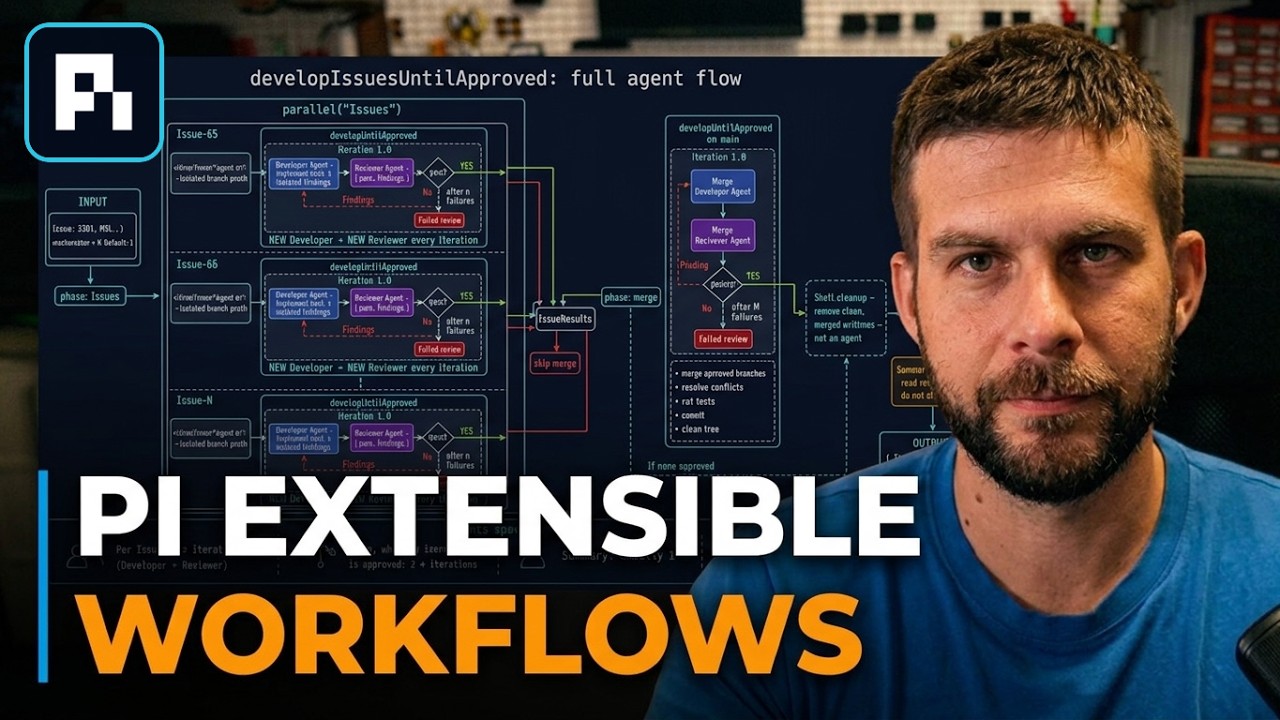
Pi Extensible Workflows: Putting the Loop Back in Code
Asking a model to 'keep going until the tests pass' makes the model responsible for the termination condition - and models forget and cheat. Andrea Baccega's Pi extension moves control flow into a small DSL (agent, shell, parallel, pipeline, prompt, phase, checkpoint, withWorkTree), keeps sub-agent output out of the main context window, and insists cleanup stays deterministic code. Includes the develop-until-approved two-model pattern, per-role tool stripping for a reported 50% smaller system prompt, and verification of the DSL contract against the project's own source.
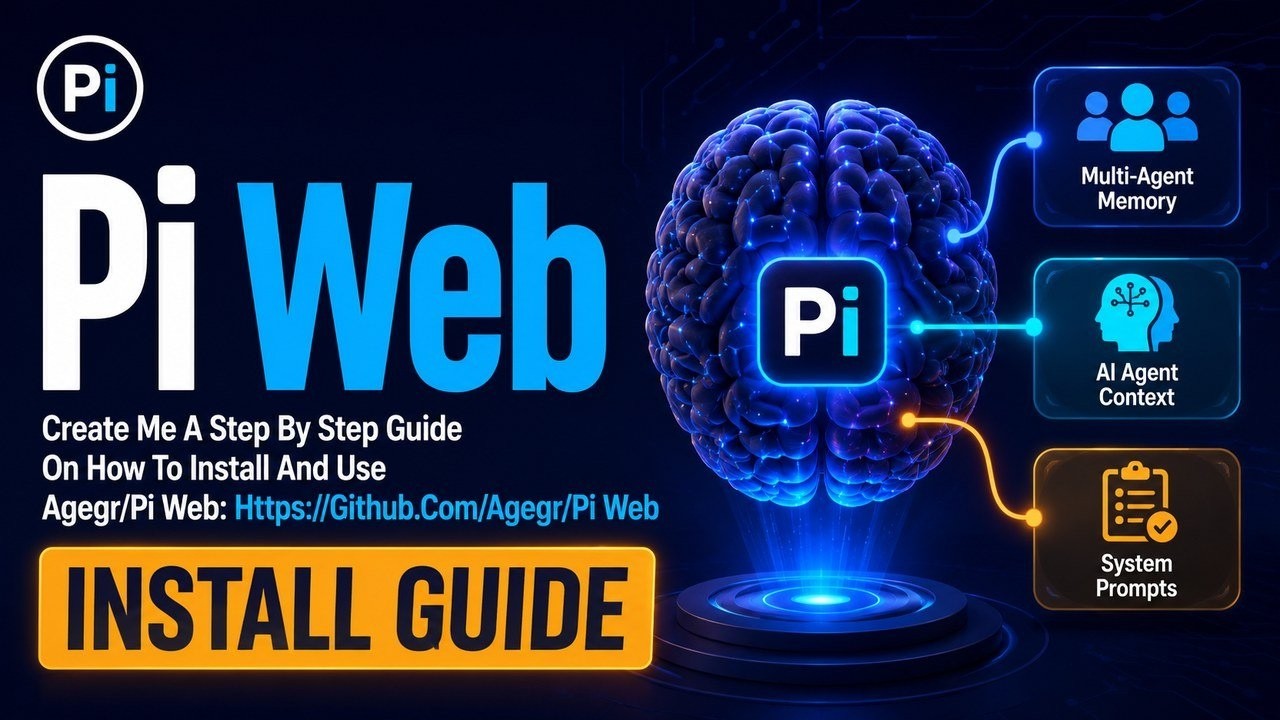
Pi Web Workspace Analysis: Hot-Reload-Safe Sessions and Visual Git Worktrees
Alex Hitt analyzes agegr/pi-web — a decoupled Next.js visual layer for Pi that survives hot reloads via globalThis session anchoring, normalizes tool call data through SSE with dual-layered reconciliation, and maps conversation trees to Git worktrees for spatial codebase management.
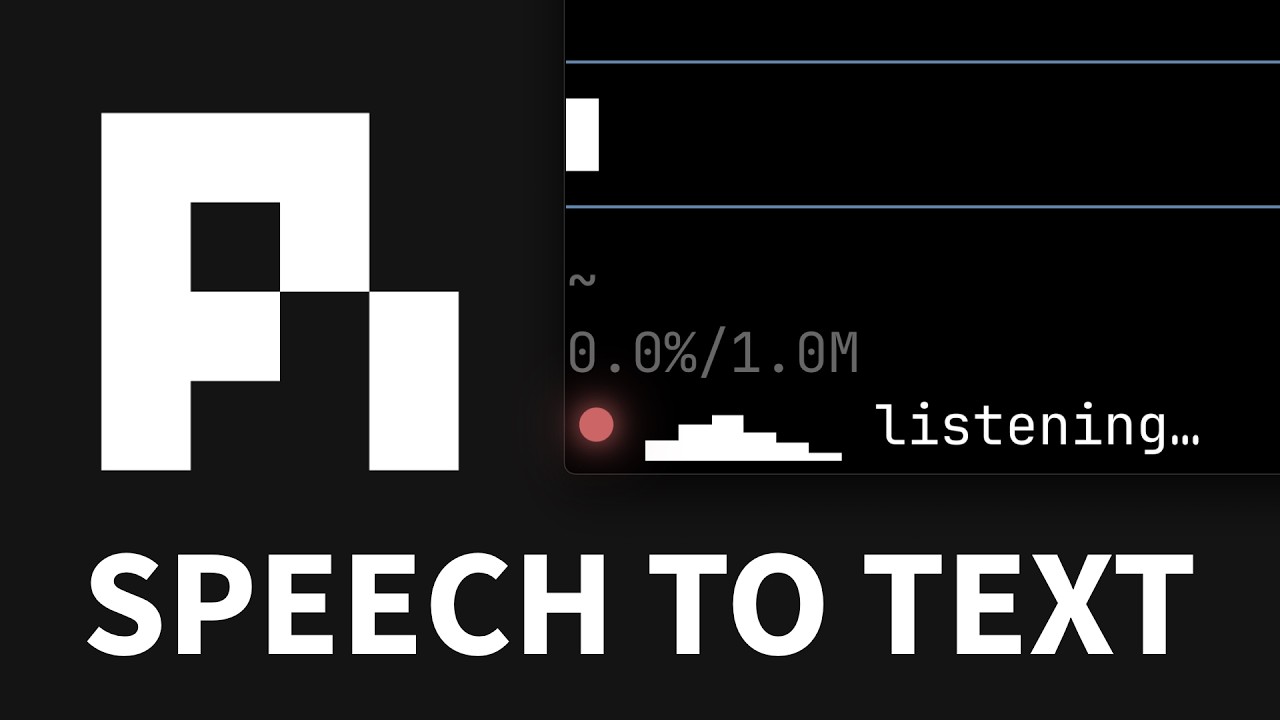
Dictation Extension For Pi
Eero Alvar builds a minimal speech-to-text Pi extension using Deepgram Nova 3 — real-time transcription with content-aware delivery, a customizable live audio meter, and a philosophy of voice-driven agent interaction that replaces typing with stream-of-consciousness yapping.
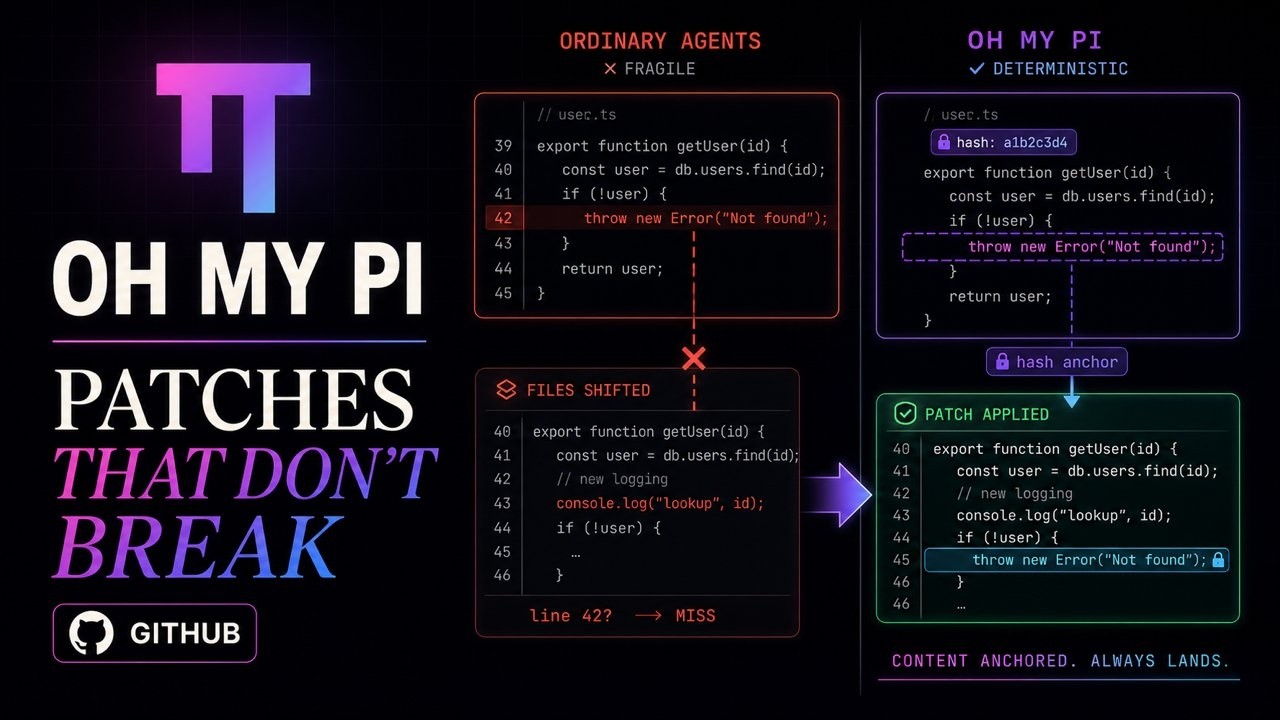
Oh My Pi GitHub Tutorial — Subagents, RPC Mode, and Deterministic Code Patching
A deep technical breakdown of Oh My Pi by can1357 — a Pi extension that replaces fragile shell wrappers with in-process Rust tooling, hash-anchored patching, Tree-sitter AST edits, subagents in cloned worktrees, and an RPC mode for headless CI/CD pipelines.

Pi OpenAI Bridge — Turn Your Pi Agent Into an OpenAI-Compatible API
A Pi extension that starts an HTTP server implementing the OpenAI Chat Completions API. Connect any OpenAI-compatible chat UI (Open WebUI, ChatBox, TypingMind) to your Pi agent with full skills, brain, and extensions support. Includes streaming, system prompts, and a /bridge status command.

Building a Research Agent on Pi
A step-by-step guide to building a special-purpose research agent using Pi's skills system, AGENTS.md context files, and a shell alias. The agent searches the internet, cross-references sources, evaluates credibility, and delivers structured reports — callable from anywhere in your terminal.

