ANews from the agent stack.
✎ Suggest◎ Sign in

Deep dives into working agents.

Technical walkthroughs with substance: architectures, prompting patterns, evals, and production lessons unpacked until complex agent systems become reusable design material.
Page 3 of 4 · showing 49–72 of 73

OpenCV 5 Is Here — The Biggest Update Since 2018 (We Tested It)

Better Stack tests OpenCV 5's brand-new DNN engine — ONNX operator coverage jumped from 22% to 80%, enabling YOLO, stable diffusion, and VLMs to run natively on CPU with zero extra dependencies. Four hands-on demos included.
deep-dives
Better Stack
Published2026-07-05

The Best AI Agents Need Less Code Than You Think — LangSmith Engine Deep Dive

Deep dive into LangSmith Engine — an always-on agent that hunts production trace failures, clusters issues, and opens fix PRs. Org-chart architecture with 4 sub-agents (screener, verifier, issue creator, fix generator). Self-improving: Engine runs on its own traces. From noisy PRs to an issue inbox.

deep-dives
LangChain
Published2026-07-02

Building Great Agent Skills: The Missing Manual

Matt Pocock presents a four-part checklist (Trigger, Structure, Steering, Pruning) for escaping "skill hell" — a structured framework for building, evaluating, and maintaining high-quality agent skills.

deep-dives
Matt Pocock
Published2026-06-29

GLM-5.2 vs MiniMax-M3 — Opus Has REAL COMPETITION (Model Stacking)

IndyDevDan analyzes GLM-5.2 and MiniMax-M3 — the open-weight models now competitive with Opus 4.8. Introduces a three-tier model stack framework, the trade-off triangle (performance, speed, cost), and the 5× cost curve between tiers for engineering and product agents.

deep-dives
IndyDevDan
Published2026-06-29

Google OKF: The Simple Folder That Gives AI Agents Your Entire Company Data

Google's Open Knowledge Format (OKF) is a shockingly simple open spec — a folder of Markdown files in Git that gives AI agents your company's institutional memory. No database, no vectors, no platform — just YAML frontmatter + Markdown body, with progressive disclosure and an enrichment agent that auto-drafts files from BigQuery.

deep-dives
Cloud Codes
Published2026-06-27

Claude Code Has Quietly Evolved (People Haven't Noticed)

Simon Scrapes breaks down the three biggest paradigm shifts in Claude Code usage: rethinking memory with community plugins like MemArch and GBrain, leveraging /effort and Ultra Code for multi-agent planning workflows, and automating repetitive tasks with /goal and /routines.

deep-dives
Simon Scrapes
Published2026-06-23

PLANS For Fable 5 — Rebuilding the /Plan Skill for Mythos Class Models

IndyDevDan rebuilds his /plan meta skill from scratch for Fable 5 and Mythos class models. A 63-minute deep devlog covering property-based engineering, HTML-first plan templates, five unified workflows, embedded GPT Image 2 generation, and plans as living artifacts — all built around the thesis that great planning is great engineering.

deep-dives
IndyDevDan
Published2026-06-22

You NEED to Try These 7 Loops

Matthew Berman breaks down AI coding agent loops — autonomous goal-driven iteration cycles that remove humans from the development loop. Seven concrete loop patterns from sub-50ms page loads to overnight documentation sweeps, with practical prompts you can copy directly into Codex or Claude Code.

deep-dives
Matthew Berman
Published2026-06-19

Matt Pocock's Agentic Engineering Workflow

David Ondrej interviews Matt Pocock on his agentic engineering philosophy: harness over model, strategic vs tactical programming, the teach skill, Sand Castle sandboxes, queues over loops, and why your skills are AI's ceiling.

deep-dives
David Ondrej / Matt Pocock
Published2026-06-18

The Best AI Agents Are Simpler Than You Think

Zack Reneau-Wedeen (Head of Product, Sierra) reveals how the platform powering Fortune 20 customer agents actually works — from their 10-15 models per conversation turn and modular voice architecture to why multi-agent systems are usually a trap and why agentic commerce will surpass e-commerce.

deep-dives
Zack Reneau-Wedeen
Published2026-06-18

Don't Build More AI Agents Until You Watch This

Nate B Jones argues that agent maintenance — not agent building — is the defining skill of 2026. Using Vercel's sales agent as the anchor story (they improved it by deleting 80% of its tools), he lays out four durable principles about harness design, organizational drift, the frontier lab flywheel, and a five-point agent health check.

deep-dives
Nate B Jones
Published2026-06-17

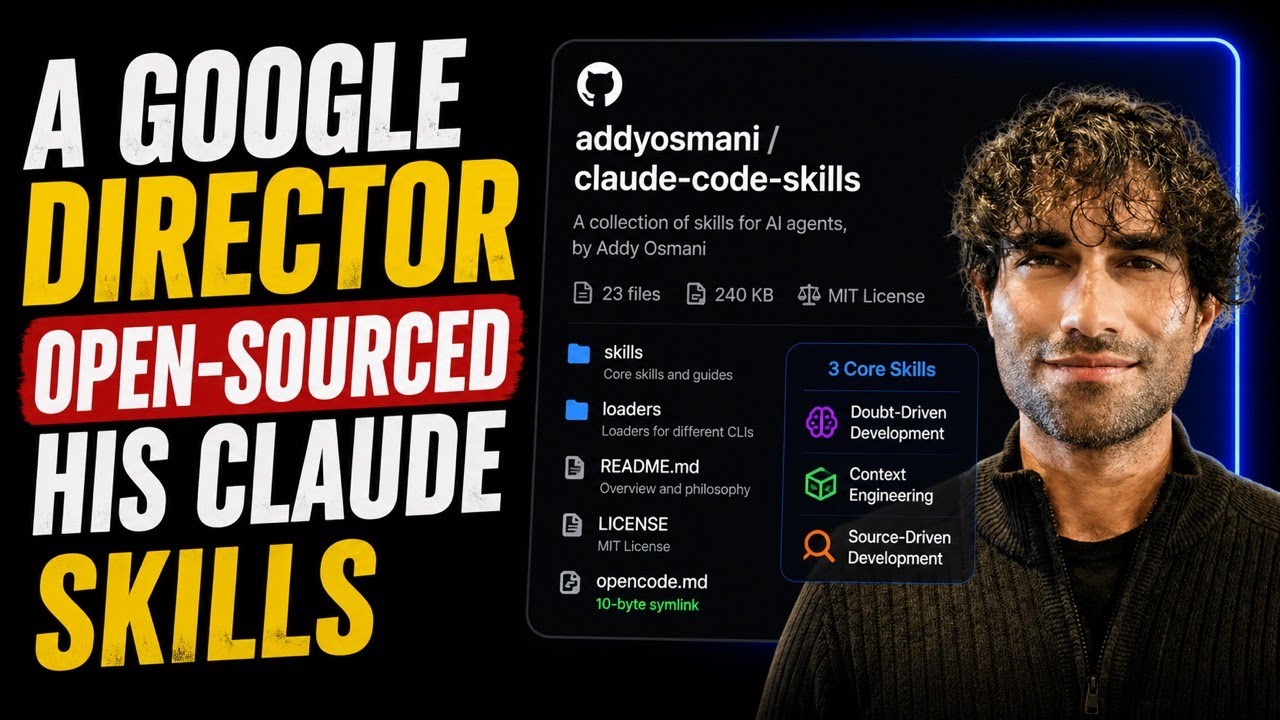
A Google Director Open-Sourced His Claude Skills — 51K Stars on GitHub

Addy Osmani — 14-year Chrome DevTools veteran and Google Director — open-sourced 23 markdown AI agent skills. Bitwise AI audits the repo: doubt-driven development, context engineering, source-driven development, and the cross-agent loader architecture.

deep-dives
Bitwise AI
Published2026-06-11

Only the Best Are Using Them — Loop Engineering for Coding Agents

Matthew Berman breaks down loop engineering — the new coding meta where you design loops with triggers and verifiable goals instead of prompting agents manually, featuring real demos in Cursor and Claude Code.

deep-dives
Matthew Berman
Published2026-06-09

Learn Anything with the /teach Skill

Matt Pocock introduces his /teach skill — a stateful AI skill that transforms a coding agent into a personalized tutor using Zone of Proximal Development, interactive HTML lessons, and persistent learning records across sessions.

deep-dives
Matt Pocock
Published2026-06-08

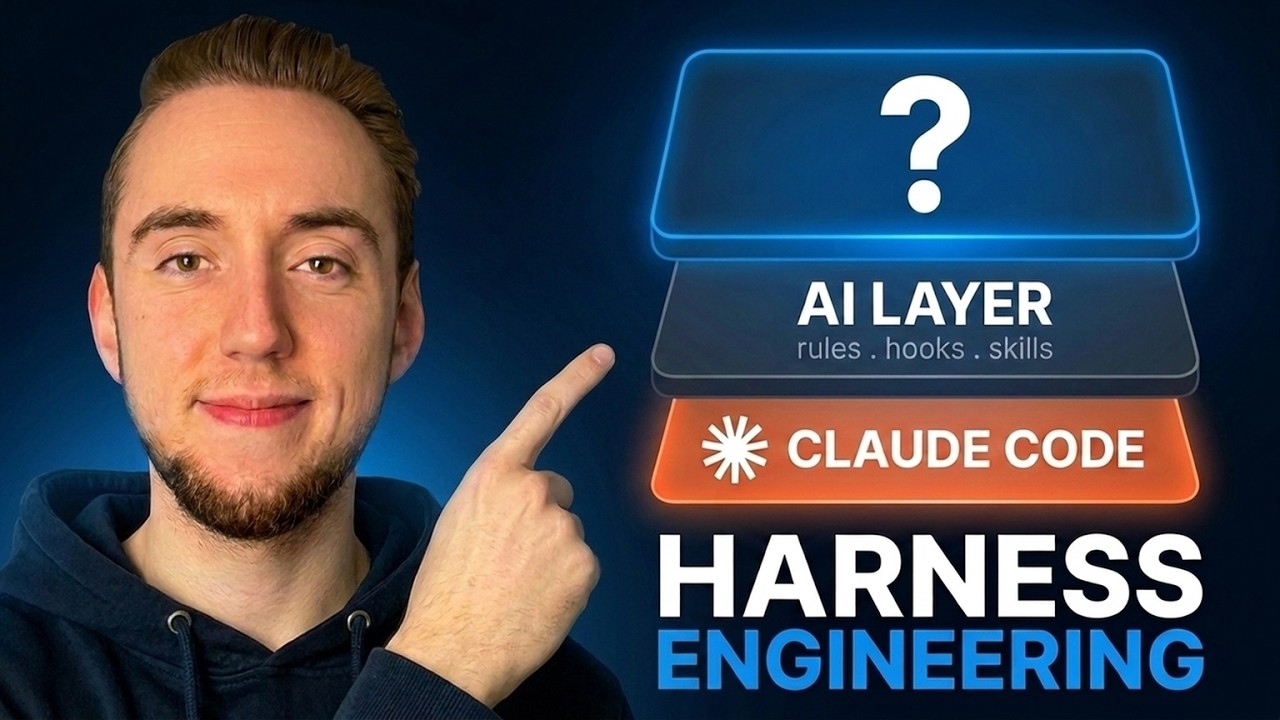
Harness Engineering: What Separates Top Agentic Engineers Right Now

Cole Medin breaks down harness engineering — the 2026 buzzword that actually matters. A practical walkthrough of building the wrapper around the model: global rules, skills, MCP servers, sub-agents, and the mindset that separates top agentic engineers.

deep-dives
Editorial
Published2026-05-28

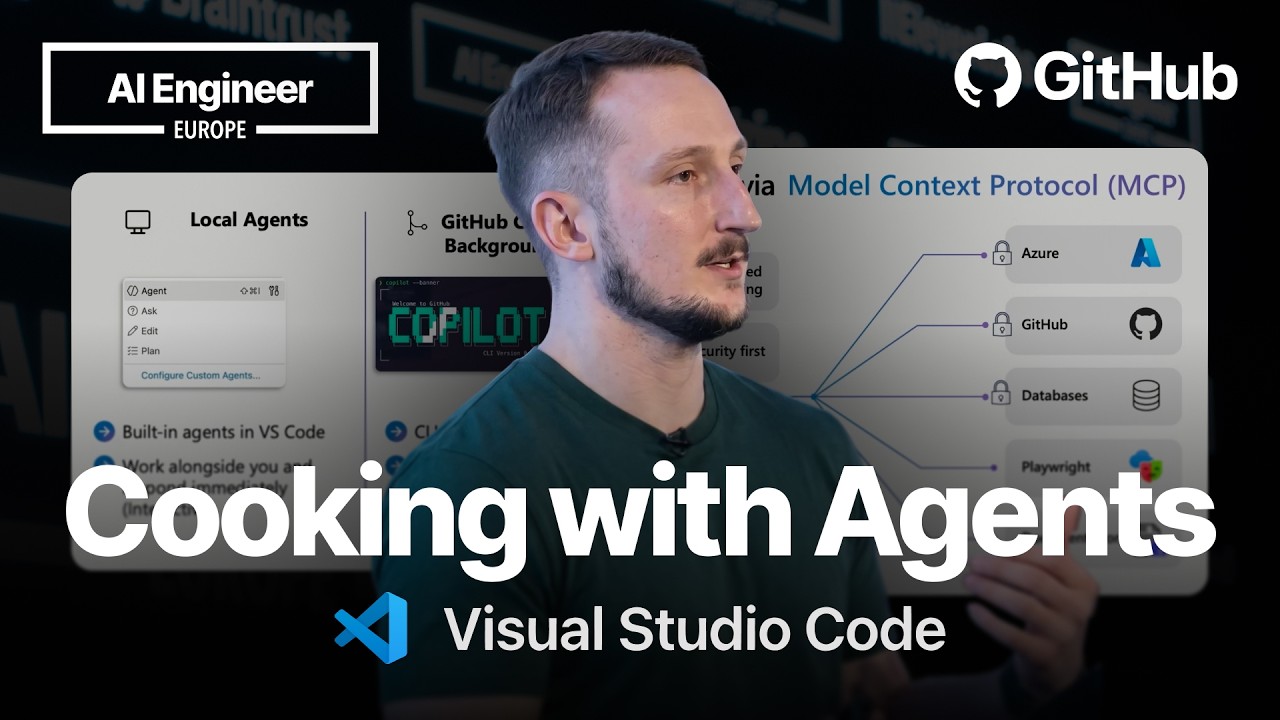
Cooking with Agents in VS Code — Liam Hampton

Liam Hampton demonstrates advanced agent workflows in VS Code — including Git worktree-based parallel agents, each with isolated working copies and associated branches for conflict-free multi-agent development.

deep-dives
Editorial
Video2026-05-21

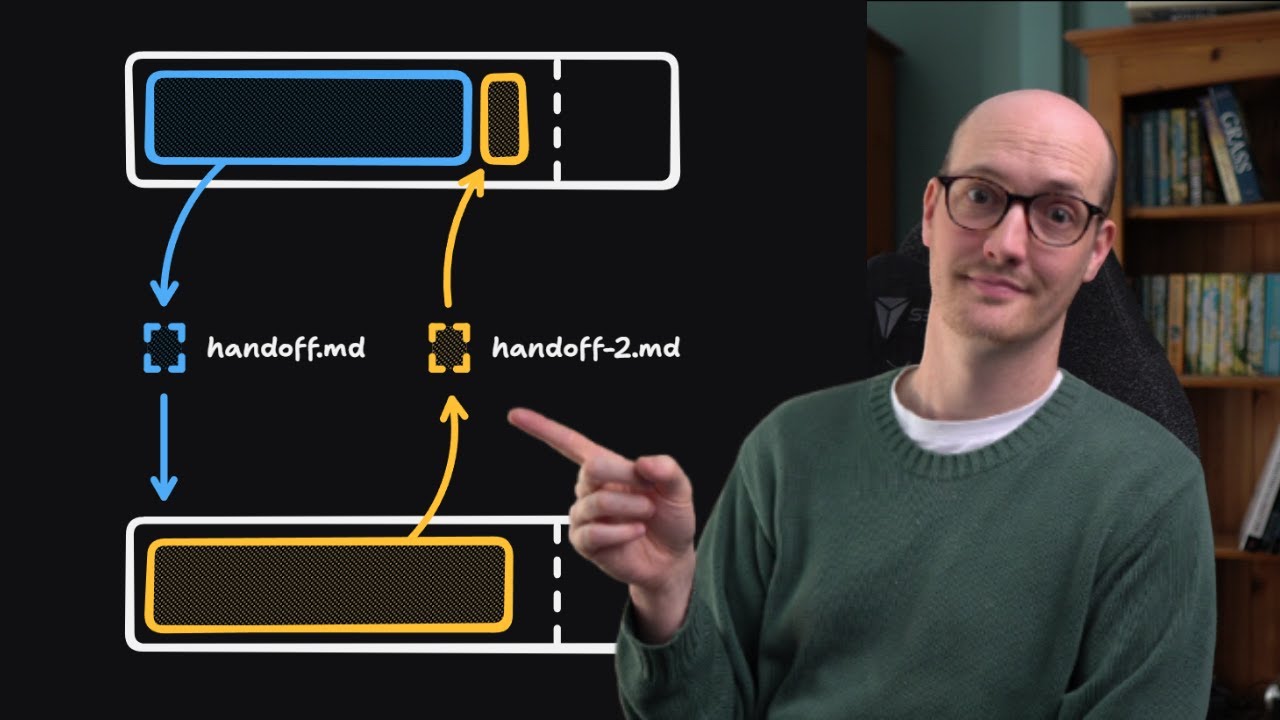
/handoff is my new favourite skill — Matt Pocock

Matt Pocock introduces /handoff — a skill that compresses the relevant slice of a context window into a Markdown file for passing to a fresh agent session. Enables multi-session workflows without polluting the current context.

deep-dives
Editorial
Video2026-05-21

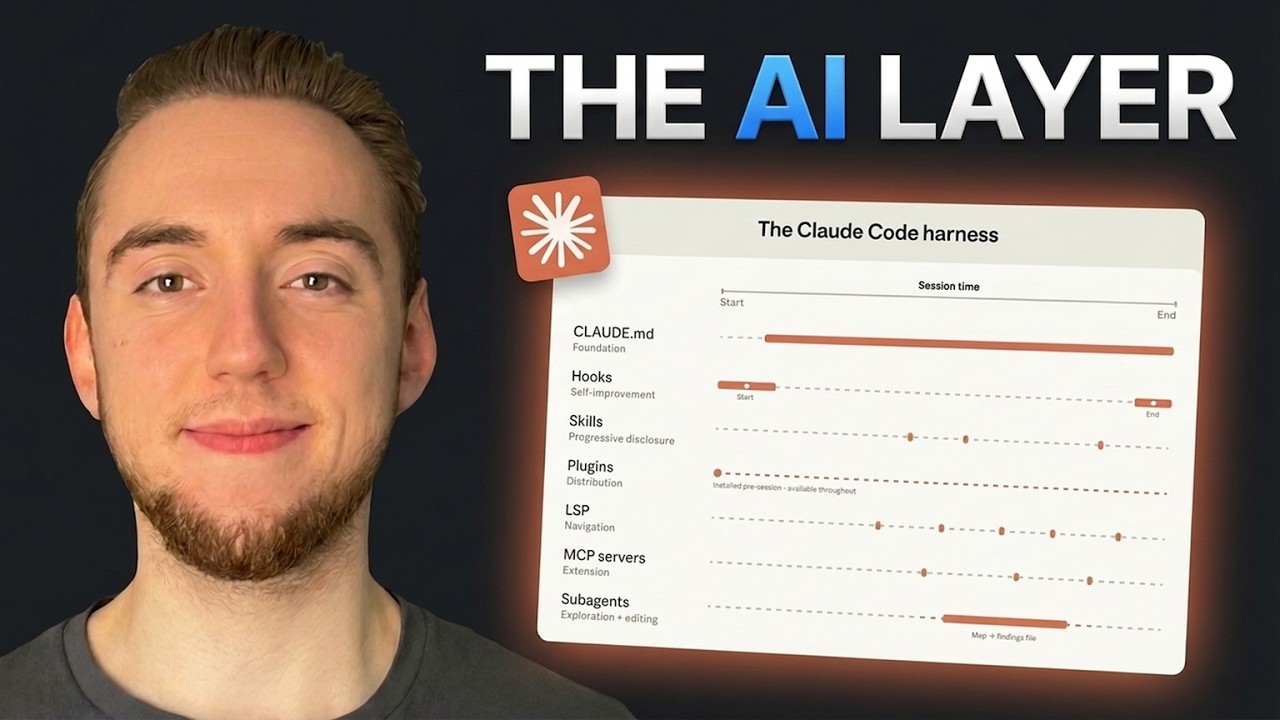
Building Agent Harnesses for Large Codebases — Cole Medin

Cole Medin unpacks Anthropic's masterclass on building agent harnesses for enterprise codebases — covering the 7-component "AI layer" (global rules, skills, MCP servers, sub-agents, hooks, LSP, plugins) and strategies for multi-million-line monorepos.

deep-dives
Editorial
Video2026-05-21

I Stopped Using /grill-me for Coding

Matt Pocock reveals the successor to his viral Grill Me skill — explaining why 4 sentences that became his most influential writing needed to evolve, and what the improved workflow looks like for AI-assisted coding.

deep-dives
Editorial
Video2026-05-14

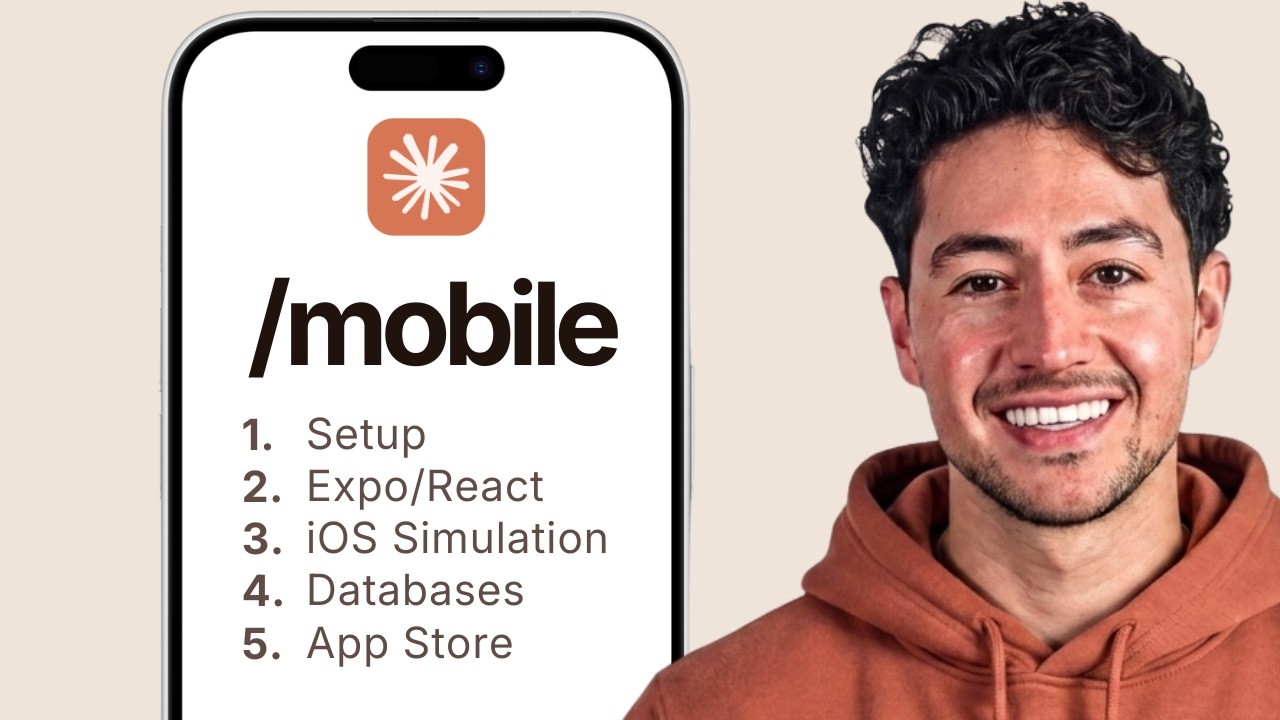
How to Build Mobile Apps with Claude Code: Full Course (2026)

Nick Saraev's 4-hour course takes you from zero mobile development experience to App Store submission — building 3 complete production-ready apps using nothing but Claude Code and natural language prompts.

deep-dives
Editorial
Published2026-05-11

Software Fundamentals Matter More Than Ever

Matt Pocock argues that AI coding doesn't make good engineering practices optional — it makes them essential. After 18 months teaching developers to build with AI agents, he dismantles the specs-to-code movement and presents what actually works.

deep-dives
Editorial
Published2026-04-23

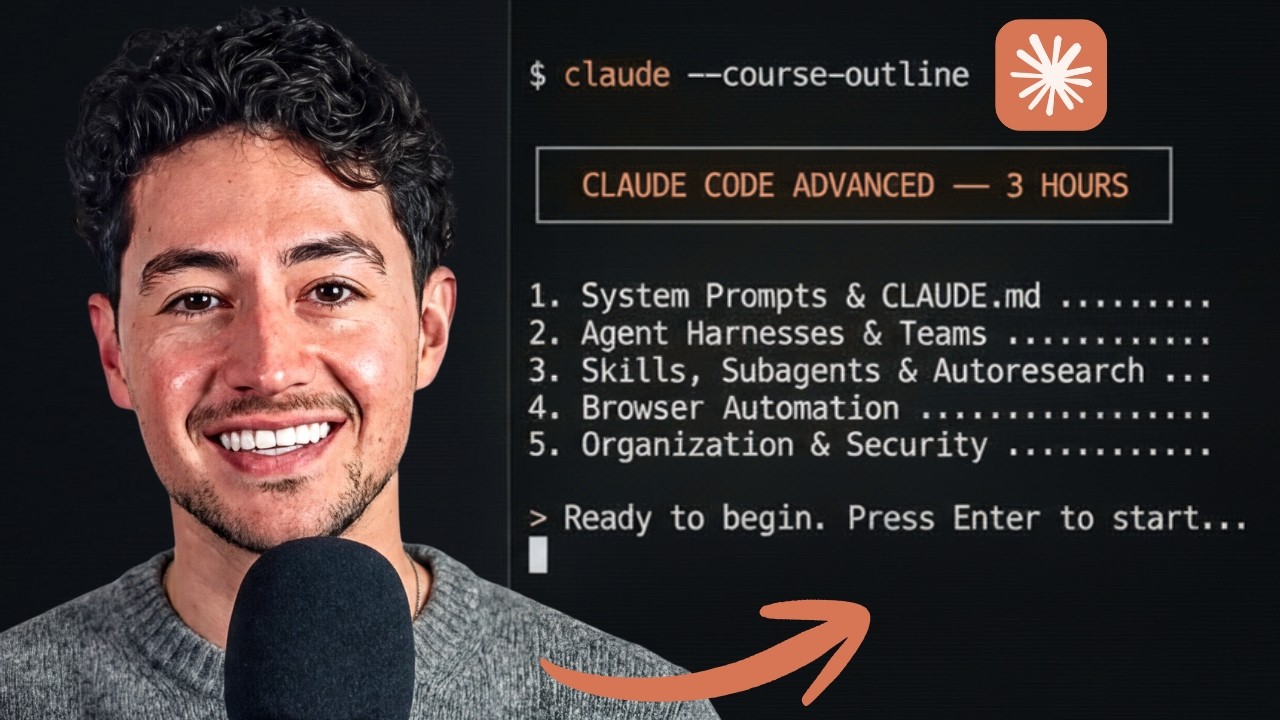
Claude Code Advanced Full Course

Nick Saraev delivers a 3-hour advanced course covering CLAUDE.md optimization, agent teams, auto-research workflows, browser automation, security audits, and workspace organization — distilled from running a $4M/year business on Claude Code.

deep-dives
Editorial
Published2026-03-28

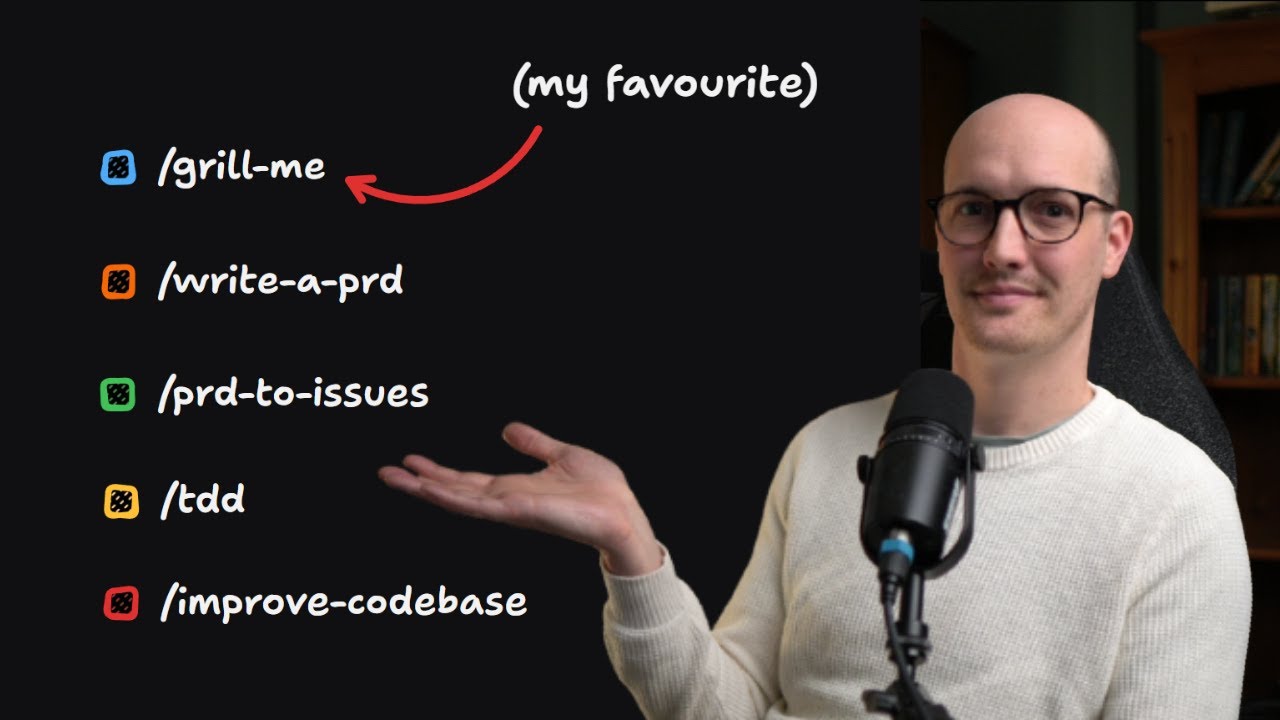
5 Claude Code Skills I Use Every Single Day — Matt Pocock

Matt Pocock shares the five skills he runs daily in Claude Code — from a three-sentence planning skill to strict review processes. Each one enforces a repeatable workflow that dramatically improves AI code quality.

deep-dives
Editorial
Published2026-03-16

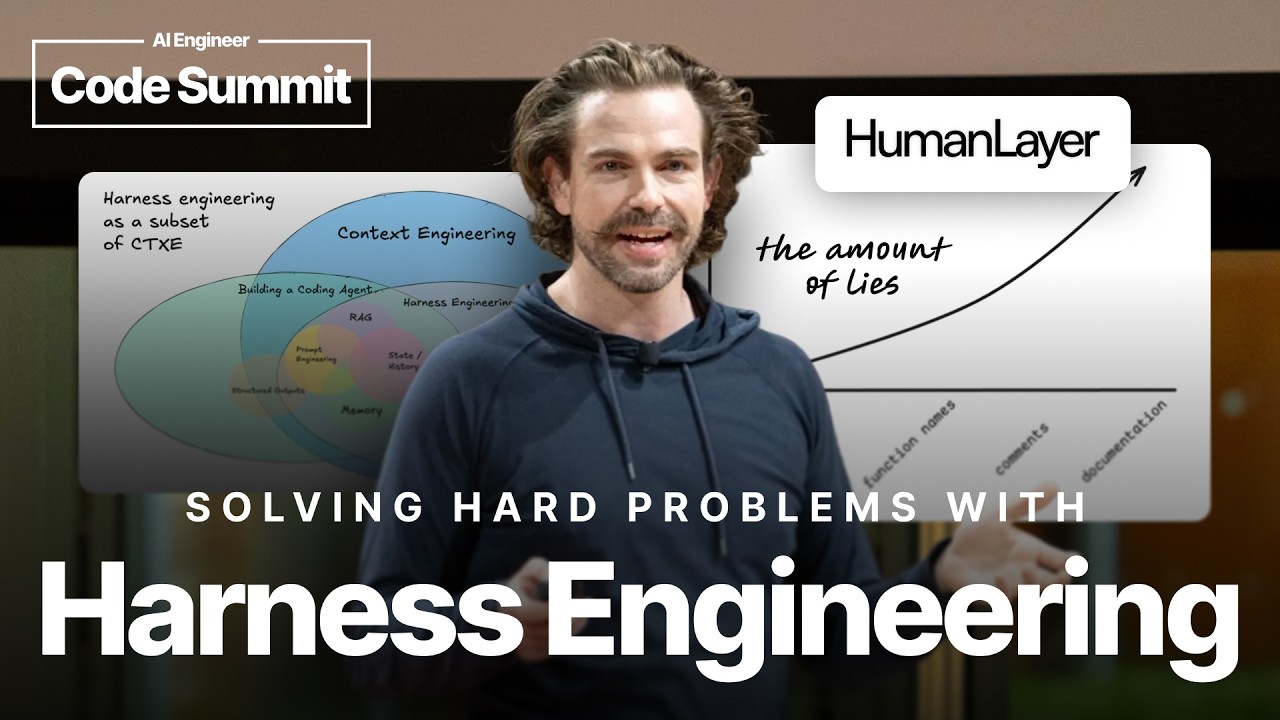
No Vibes Allowed — Solving Hard Problems in Complex Codebases

Dex Horthy — creator of "12 Factor Agents" and the term "context engineering" — presents a battle-tested framework for making AI coding tools work in brownfield codebases. After 8 weeks of experimentation, his three-phase approach delivers results.

deep-dives
Editorial
Published2025-12-02