super coders at work
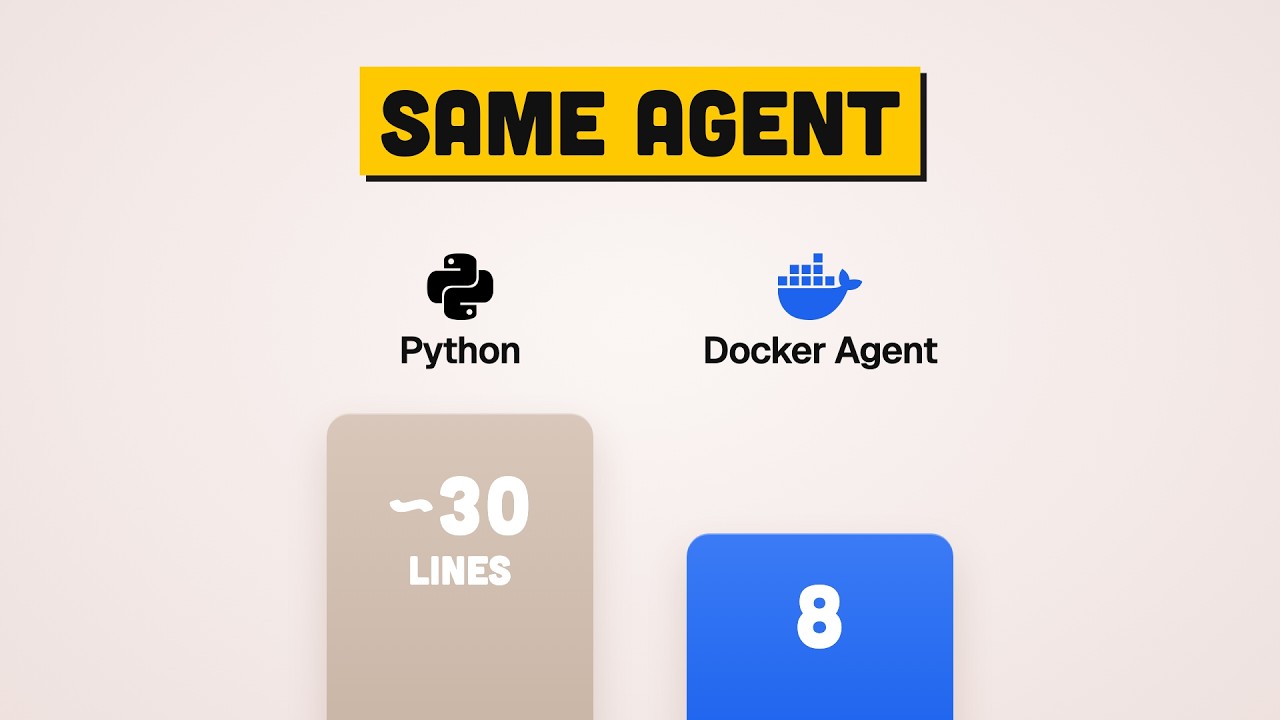
Docker Agent: Build AI Agents That Talk to Each Other (YAML, No Glue Code)
Better Stack walks through Docker Agent, Docker's open-source runtime for building, running, and sharing AI agents from declarative YAML — positioned as 'to AI agents what docker run is to containers.' An agent is a YAML file (model, instructions, tools, optional sub-agents); the model line points at OpenAI, Anthropic, Gemini, OpenRouter, or a local Docker Model Runner; tools come from built-ins plus any MCP server. Three big ideas: agents become configuration (versioned, PR-reviewed, model-swapped with one line); agents are distributable through Docker Hub/OCI registries; and one command turns an agent into an HTTP API, MCP server, or A2A server. Two live demos: an on-call setup where a read-only log-analyst agent answers questions from a no-file-access assistant over A2A, and a Battleship match (GPT-6 Luna vs Claude Haiku 5.5, Kimi K3 as referee) that Haiku wins 34 shots / 50% — explicitly a game, not a benchmark. Repo verified live (docker/docker-agent, Apache-2.0, Go, 4,357★); A2A is Google's Agent2Agent protocol.
Uncle Bob: Why He Stopped Reading Code and Building Harnesses
Uncle Bob's working hypothesis is that humans are too slow when dealing with code, so to move at the speed of the agents we have to back off and keep high-level supervision. He no longer uses an IDE and barely sees code, instead driving an agent from a terminal and inspecting the architecture it generates. His three constraints are unit tests as double-entry bookkeeping, the CRAP metric combining coverage and cyclomatic complexity, and mutation testing to prove the coverage is real. On specs he landed on a hard rule: humans must author Gherkin themselves, because the farther a human is from the spec the weirder it gets. He built an elaborate multi-agent harness and then abandoned it as inefficient, the giveaway being that he never used the harness to build the harness, and instead now trusts a single agent in a 45-minute back-and-forth that felt like a senior engineer. His review surface is a dynamic UML tool coupled to an agent, so he inspects structure and dependency alignment without reading code, and only humans remain responsible for signing off on what agents produce.
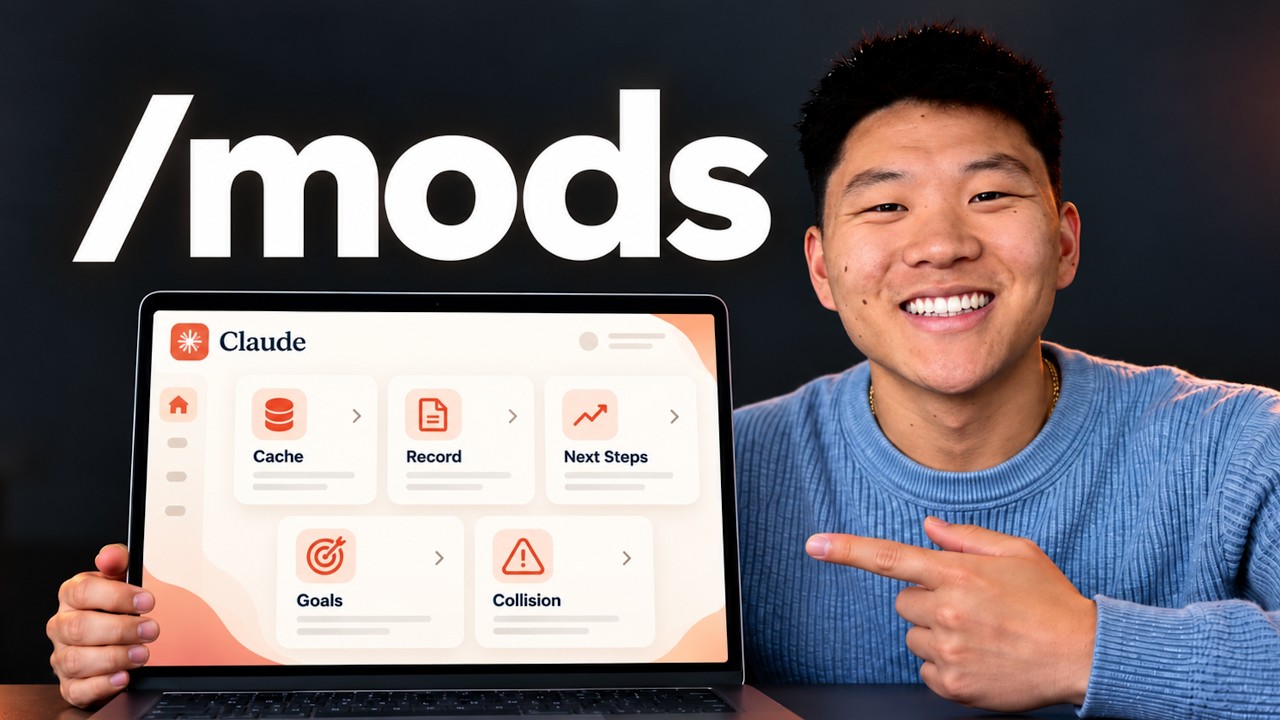
Claude Code Mods: 5 Worth Setting Up Now
Claude Code now ships mods, a way to customize the app by describing what you want in plain English and installing it as a plugin. Nate Herk walks through the five mods he actually uses, each one an answer to a real friction point. Next Steps recommends three actions after every turn, Cache Keeper surfaces context usage, session limits, and API cost and warns you before the cache goes cold, Recording Mode blurs emails and financial figures while you record, Goal Meter turns long-running /goal prompts into a visible task list with progress, and Collision Guard flags any file another chat edited in the last 30 minutes before you write to it. The through-line is that mods turn one-off slash-command habits and terminal status lines into persistent UI affordances, and you can build each one by just asking Claude to build it.
Six Months, Zero Return: A Weekend with Claude Code Beat an Entire Agent Platform
A twenty-three-minute postmortem from a founder who spent six months building an agentic deal-sourcing platform for private equity — full SaaS with payment integration, credits and teams. The product worked: it translated a natural-language investment thesis into a search across company databases and returned matching businesses. The customers used it. It returned nothing. The lesson is not about better agents or stronger models — it is about outcomes. A weekend rebuild with Claude Code + Skills produced results the customer called "superior to the platform." The platform was getting in the way. Service first, platform second, agents at the high-leverage points, and the honesty to know which problems are not agent-shaped.
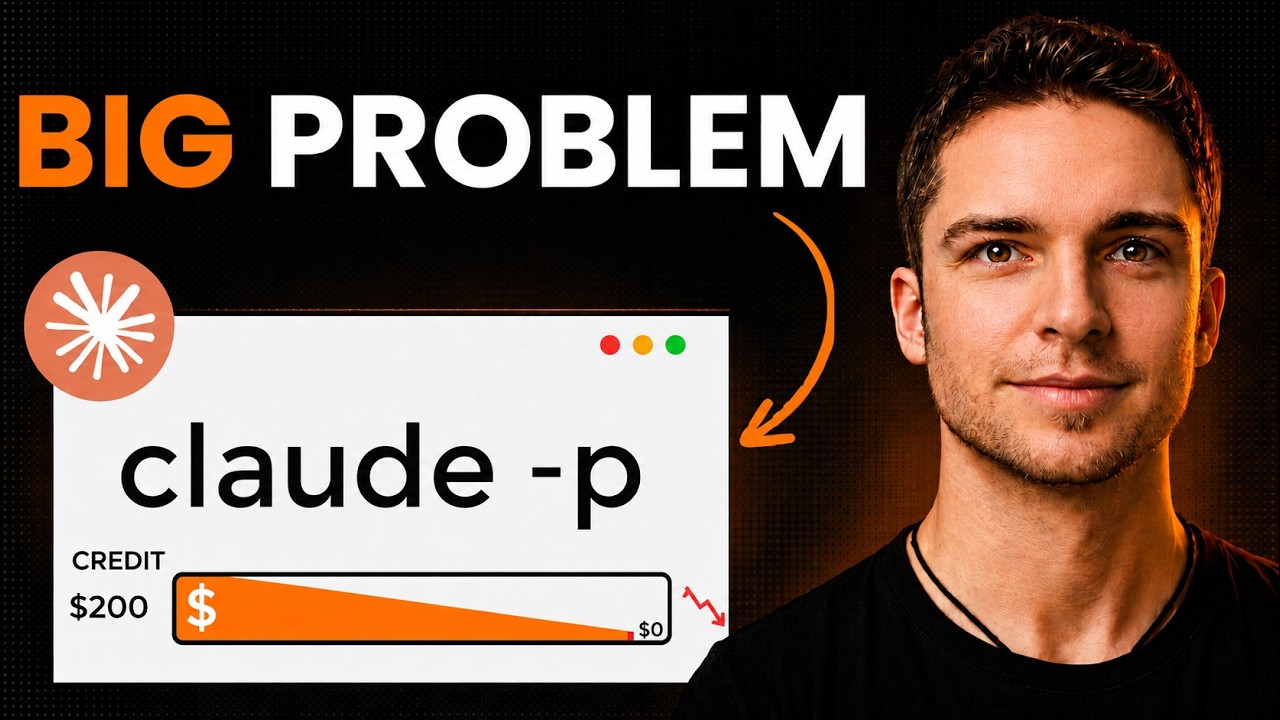
Claude Code's New Billing Model Changes Everything (not hype)
Anthropic is moving claude -p and the Agent SDK to usage-based billing from June 15. Mansel Scheffel breaks down who's affected, how to measure your token spend, and the systematic migration path to Cowork scheduled tasks and Routines.
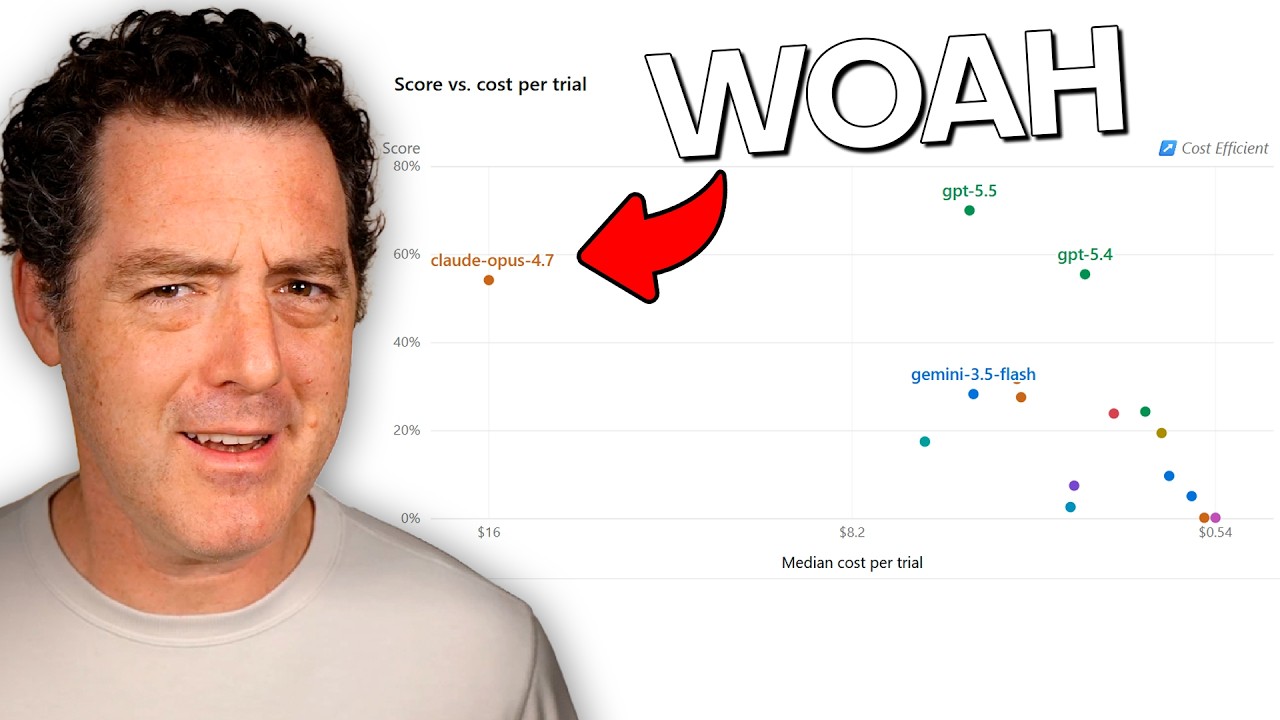
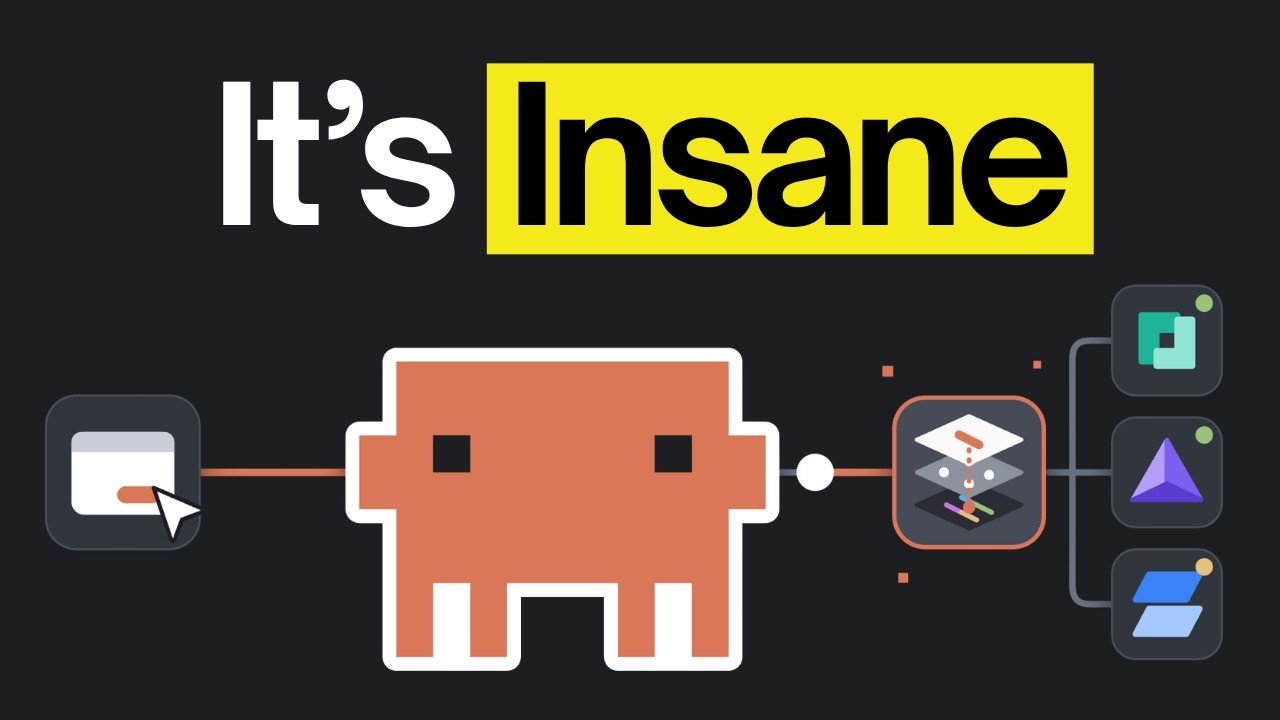
Reverse Engineer Anything: 5 Use Cases for GitHub's #1 Trending Skill
AI LABS walks through five genuine use cases for REA (Reverse Engineer Anything, morluto/rea — 274,081 stars), the MCP server that lets Claude Code and Codex reverse-engineer apps and websites by tracing clicks back to the exact code and labeling every finding seen/guessed/unknown. The five: copy a feature from another app (Obsidian graph + Notion board), research all competitors at once, find bugs in your own app (a pricing bug that code review would have missed), run a site-wide performance checkup, and audit security before shipping (exposed OpenAI/Stripe keys). Firecrawl is the sponsor.
Pi Durable: Proactive, Multi-Client Agents That Never Stop
IndyDevDan's 35-minute walkthrough of Pi Durable, the durable-agent harness shipped alongside Pi 1.0 by Mario Zechner and the Earendil team. Pi Durable makes agents persistent across failures, clients, and change: background compaction, a shared application-state object readable by every session on a device, phased durable jobs that resume from any step, detached agents any client (TUI, browser, CLI, curl, mobile) can attach to via a device→workspace→agent hierarchy, live tool changes mid-execution (read-only mode, Jev damage control blocking rm -rf), forking, non-replayable one-shot operations, and long-running agents that survive crashes and restarts. The demo: a Jev classifier watches an event stream, detects an incident, and triggers a proactive Pi Durable agent that investigates, fixes a null-check bug, and deploys — all for ~1.5¢. Verified: Pi 1.0 + Pi Durable shipped together (Earendil announcements), earendil-works/pi (114,638★, MIT, TypeScript), and @earendil-works/pi-durable (npm v1.2.0, MIT). Pi Durable is explicitly experimental; 'proactive agents are the future' is the speaker's opinion, and he promotes his own courses/products.
Turn Claude Code Into a Software Factory: The Four-Pillar Orchestration Layer
Patrick Ellis (CTO of an AI-native startup) argues the 10x-100x leverage isn't coming from smarter models but from the orchestration layer around them — and that Anthropic and OpenAI are both converging on long-horizon autonomous work (Greg Brockman's Codex vision: tasks that run in the cloud for hours, days, even weeks). His framework has four pillars: context (company/product goals, design language, adjacent codebases, APIs), tools (grep, Playwright MCP, gh CLI, Sentry, Terraform, gcloud), workflows/SOPs (engineering/design/security reviews — his favorite being gstack, Garry Tan's YC skill library with /office-hours, /engineering-review, and an adversarial review that invokes a CLI Codex from Claude Code and vice-versa), and verification (Playwright screenshots vs the UI mock plus deterministic linters/unit tests/dead-code detection). Two tools worth the look: gstack (135k stars, MIT) and Steve Yegge's Beads (27.8k stars) — a dependency-aware task graph that keeps long-running agents from hallucinating completed checkmarks. The proof case is an analytics platform (Pub/Sub, Cloud Run, BigQuery) shipped in a week, with a six-hour overnight Codex run and a human-review gate on core infra changes. The strategic takeaway: document and aggregate your company's context into one orchestration layer, because models will get better but they'll never know your specific workflows unless you write them down. Ellis's startup pitch and custom skills are flagged as self-promotion; gstack and Beads were verified live via the GitHub API.
I Built an AI Software Factory: Parallel Agents That Actually Work
A software factory, concretely defined: an operating loop where issues come in from the backlog, a coding agent writes the fix, an independent system verifies it, and a human merges. Prompt Engineering's build enumerates the five ways parallel agents break — shared-folder collisions (one commit touching six files), double-booked issues (fix: a claim label), the self-grading trap (an agent always reports "tests pass"), stale training cutoffs (fix: live docs), and PR flood (fix: merge stays human) — then runs a five-stage pipeline (triage → worker → verifier → reviewer → integrator) where each stage is a fresh cloud sandbox booted from a shared snapshot. The two architectural details worth stealing: typed object handoff (stages pass structured JSON, not chat history) and live-docs-via-proxy-key-injection (the agent reads docs but never sees the API key). Two hard-won findings: passing tests does not mean the code is right (a reviewer caught a same-millisecond ordering bug every test missed), and parallel agents that share a test file produce merge conflicts (7 of 9 PRs) — hence the integrator stage. Result: 10 issues in 4.5 minutes, 9 hidden-test-passing PRs plus one vague ticket correctly skipped, for ~$3.67 in tokens and ~$0.01 in sandbox time. Upstash Box (and Context7) are the video's paid sponsors — flagged; the five-stage architecture is the vendor-neutral takeaway. Source code is published at github.com/PromtEngineer/software-factory.
Claude Dashboards: Live BI and Observability for Your Business
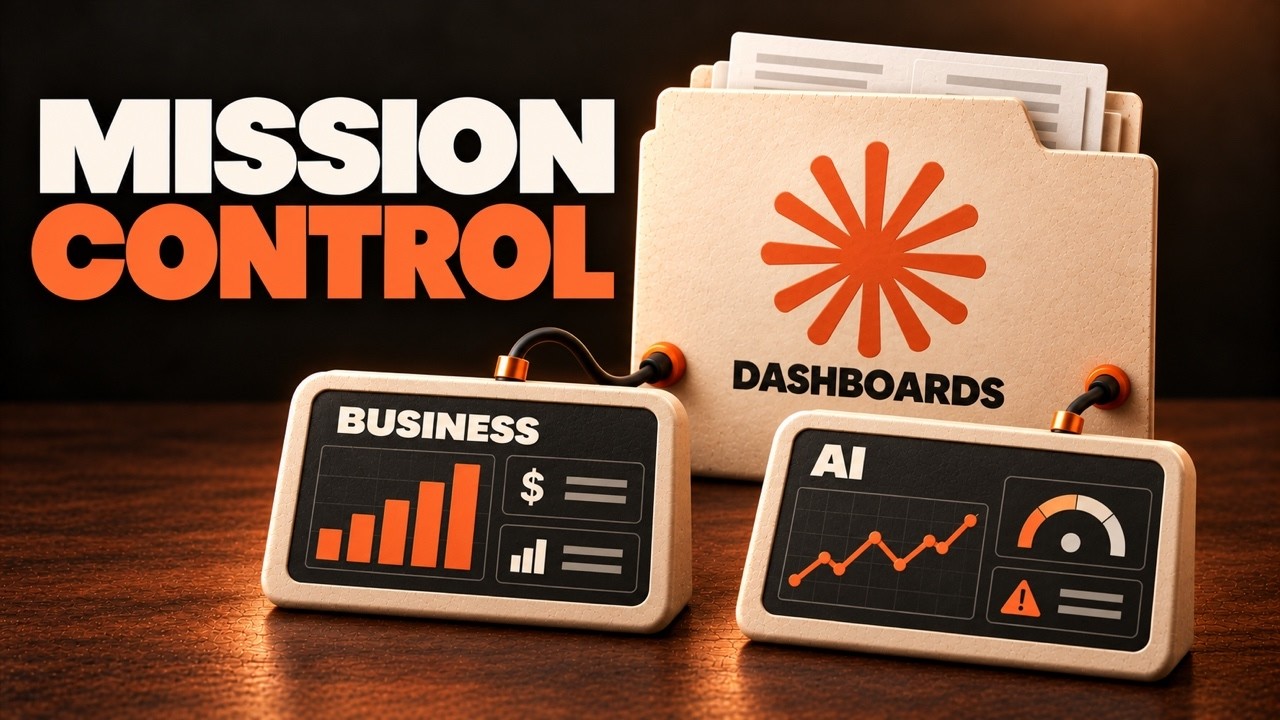
Anthropic launched Claude Dashboards (with Claude Motion) in public beta on Oct 8, 2026: connect a data warehouse or connectors, ask a plain-language question, and Claude writes the queries and builds a live, self-updating dashboard. The core distinction from artifacts — artifacts were static HTML snapshots; dashboards query live from a database. Mansel Scheffel's walkthrough covers both headline use cases: business intelligence (where's your cash, what's overdue, where you're burning money) and observability into your own Claude/AI infrastructure via OpenTelemetry. His recommended pattern is a central Supabase middle layer as the single source of truth — connector (MCP) plus plugin (schema/security best-practice skills), with an edge function ingesting metrics — and scheduled tasks to keep the data fresh, since a dashboard only knows what's been pulled into the database. The interactive dashboard adds a comment/chat function that explains any row (what it is, why it's the biggest problem, the fix) and lets you inspect the underlying SQL. Beta glitches are noted (queries reporting success while empty). The video's "business rescue" skill (manifest/evidence/forecast/rescue/report) and his community are flagged as self-promotion. Feature launch and Supabase details verified against Anthropic's docs and help center.
From Vibes to Production: Evaluating and Shipping AI Agents That Work
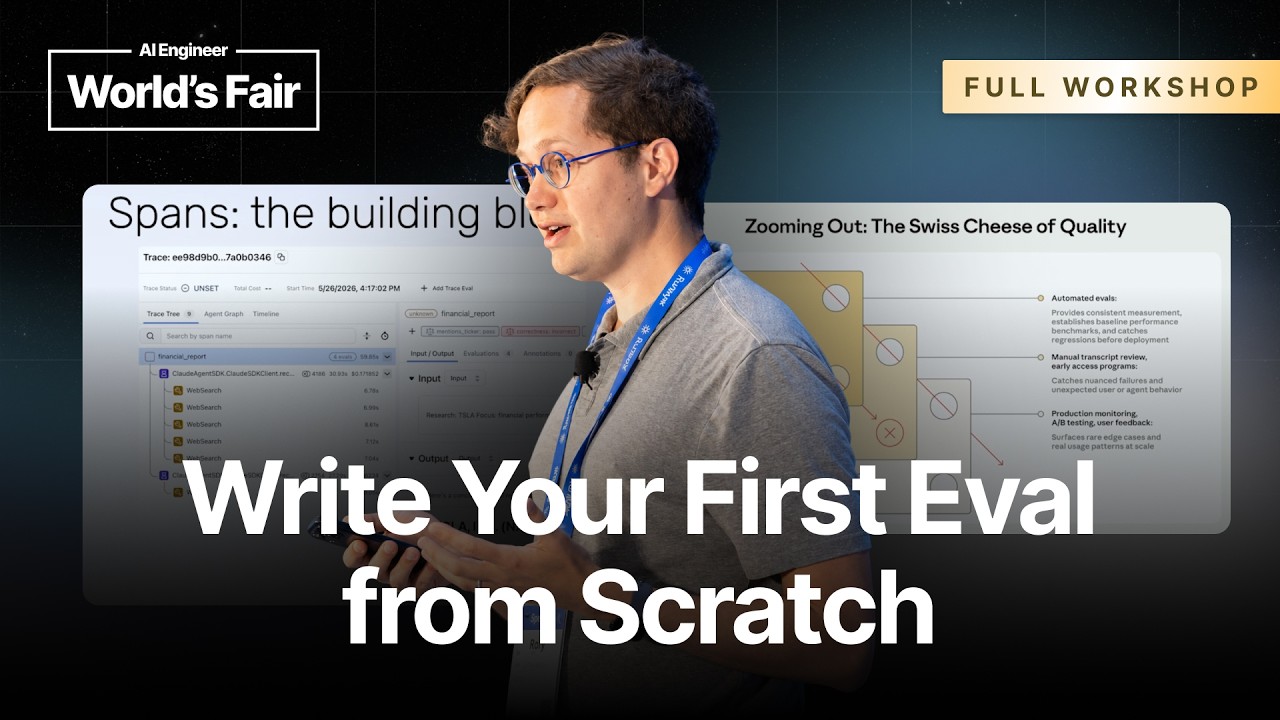
Laurie Voss (Head of Developer Relations at Arize AI, co-founder of npm) runs a two-hour AI Engineer workshop on the most under-served part of agent development: proving your agent actually works. The core thesis: evals are testing for AI, traces are logging for AI, and the most popular shipping method today — run a few queries, eyeball the output, ship — is the vibes problem. The talk walks the full arc: three kinds of evals (deterministic code evals, LLM-as-judge with a rubric, human review plus meta-evaluation); why agents are harder (cascading failures like the Tesla-vs-Tesla mixup, the τ²-bench 'creatively correct' flight-reschedule); reading traces before writing evals (open vs axial coding, severity × frequency, the Swiss cheese model); the two-line OpenTelemetry/OpenInference instrumentation; a correctness eval that scored 0/13 because the judge's training data stopped in January while the agent reported live 2026 data; a faithfulness eval revealing 7-of-13 reports hallucinated; the four-part custom rubric and its anti-patterns (the god evaluator, treating evals like code); meta-evaluation with golden data sets and judge biases (position, length, confidence, self-preference); and closing the loop by handing judge explanations to Claude Code to rewrite prompts and verifying with experiments. It's vendor-agnostic theory plus an Arize AX walkthrough, flagged as such. Speaker identity and tooling are verified; the demo's numbers are the talk's own.
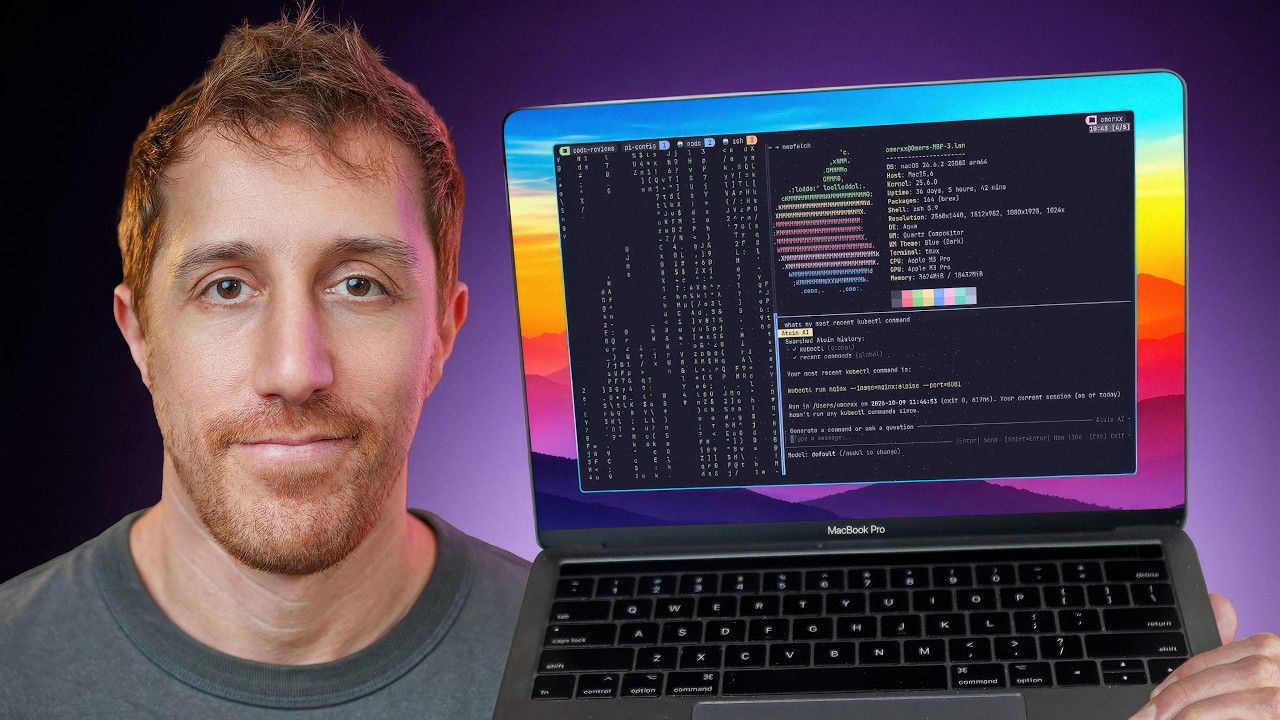
The Complete Terminal Setup: DevOps Toolbox's Daily Stack
Omer H. (DevOps Toolbox, GitHub omerxx) walks through his entire daily terminal stack, layered from the emulator up: Ghostty (terminal), tmux with his own tmux-sessionx and tmux-floax plugins plus sesh, Worktrunk + workmux for parallel git worktrees and agent workflows, Pi as the coding agent (Codex via web subscription), ASD-STE100 (Simplified Technical English) configured into agent instructions, zoxide + Atuin + fzf for navigation and history, bash + eza + Starship for shell and prompt, Neovim (LazyVim) as editor, and Yazi/Superfile/Television + mise for files and dev environments. Every tool name was corrected from heavy auto-caption garble and verified against the GitHub API.
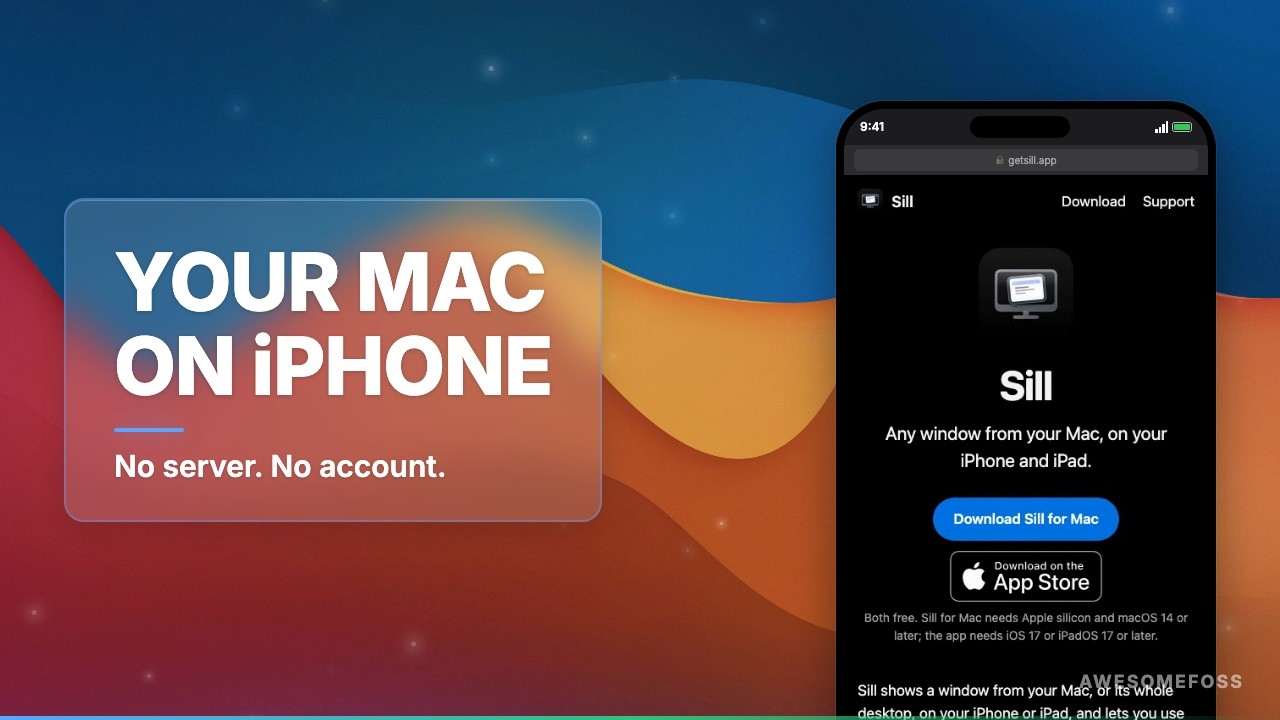
Sill: Your Whole Mac on Your iPhone, in a 3.3 MB Open-Source App
AwesomeFOSS spotlights Sill, a free, open-source (Apache-2.0) app that streams any Mac window or the whole desktop live to an iPhone or iPad — no account, no cloud, no relay server. Native Swift with zero third-party deps (3.3 MB), ScreenCaptureKit + HEVC hardware encoding over TLS 1.3, Bonjour discovery, USB wired and AirDrop-style P2P, and a VPN (Tailscale) path for remote use. Its virtual-display feature uses a private macOS API, so the Mac app ships notarized from getsill.app rather than the App Store. Verified: Saffsanity/sill (1,543★, 85 forks), developer Noah William Saffer.
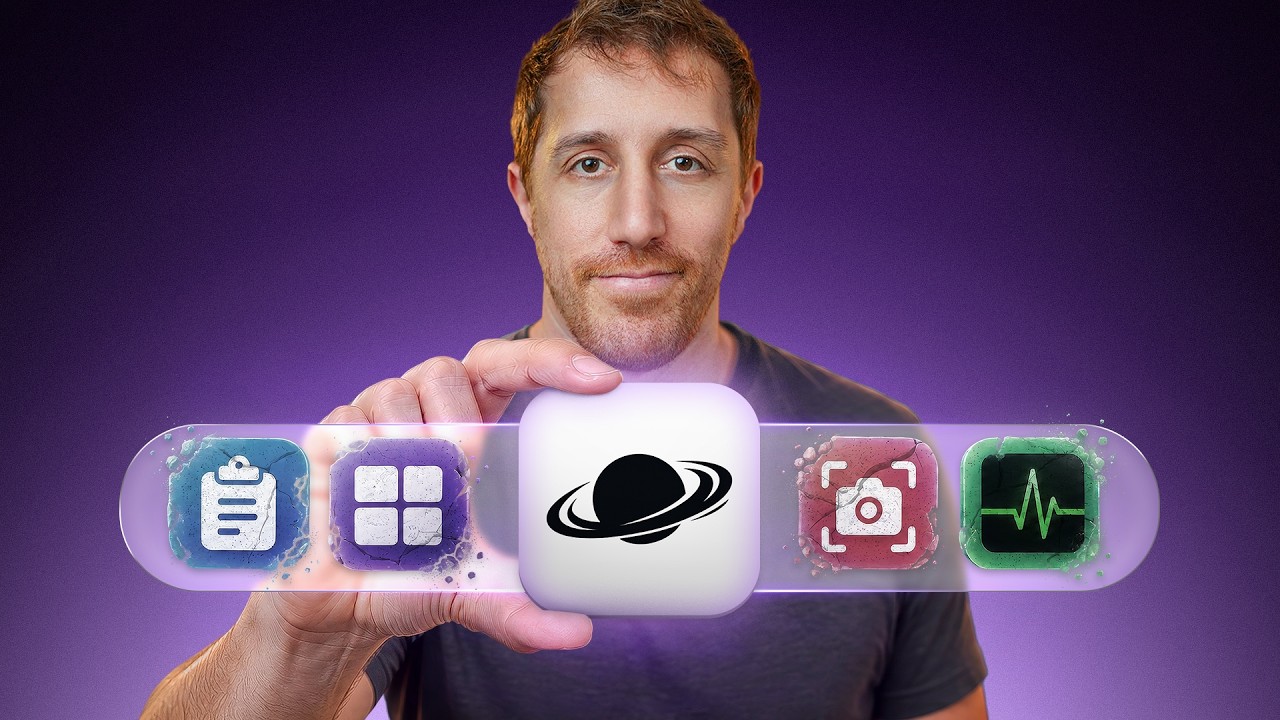
Vorssaint: The Open-Source macOS Menu Bar Toolkit That Replaces a Dozen Apps
DevOps Toolbox takes Vorssaint (vorssaint/vorssaint-utils) for a real spin — a free, open-source, GPL-3.0 Swift menu bar app that packs a per-app audio mixer, an app switcher with live previews and a fuzzy picker, a screenshot tool with temporary shareable links and a built-in editor, a disk cleaner (24 GB found, 17 GB recovered), a proper app uninstaller, a system monitor, text snippets, a camera preview, a URL cleaner, and more into one icon. The developer is anonymous (the host flags this given the permissions requested), a former Windows user who built it because macOS lacked Windows-style conveniences; it went open source in June 2026 and is now viral. The recurring comparison is Raycast — the host's verdict is 'more than some Raycast overlap, but each has its own place,' with Vorssaint's fully-local, account-free, no-telemetry model as the differentiator. The video's '13,000 stars' is stale: the repo is now at 25,840 stars and 1,091 forks (GitHub API, Oct 10). KeeperDB (Keeper Security) is the mid-roll sponsor, labeled as such.
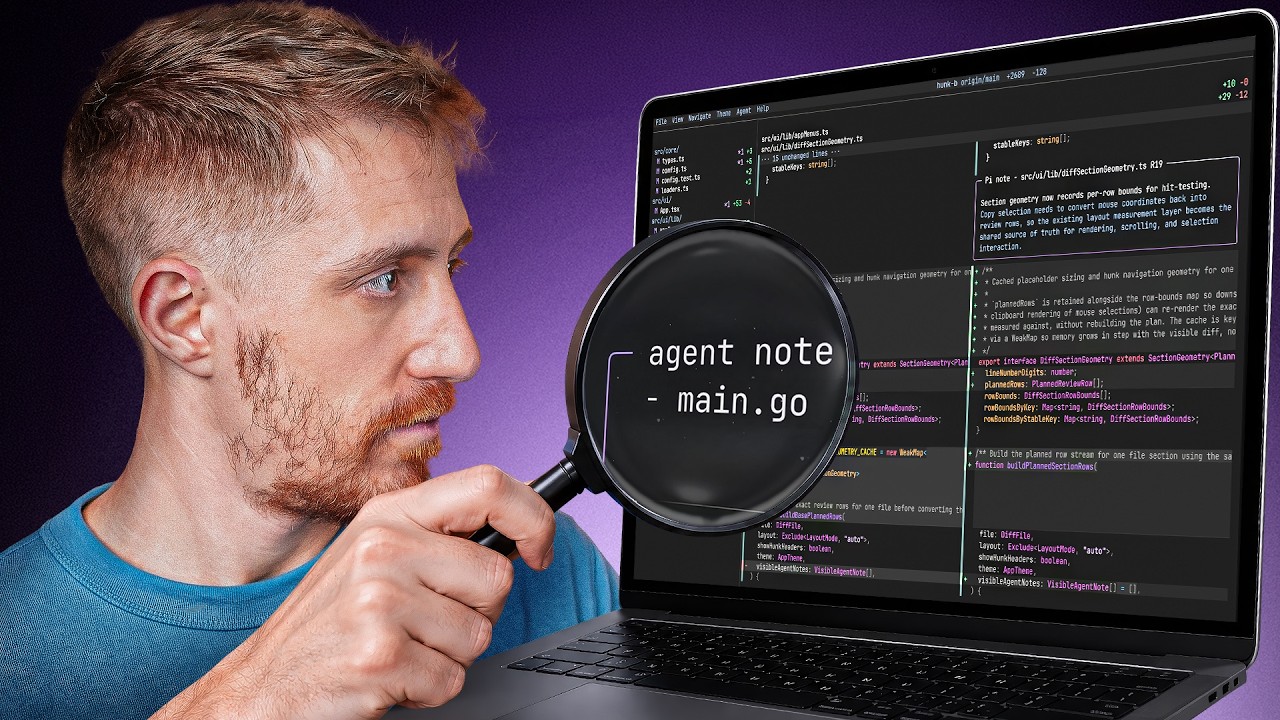
Hunk: A Review-First Terminal Diff Viewer for Agentic Coders
Hunk is a review-first terminal diff viewer for agentic coders, built by Sentry co-founder Ben Vinegar on Anomaly's Open TUI framework, and this walkthrough explains why it has become the local code-review tool of choice for people like Mitchell Hashimoto. It wraps a GitHub-style diff panel with syntax highlighting, Vim motions, stacked or side-by-side views, and a sidebar, then adds the feature that sets it apart: line-based notes that you or an AI agent can leave directly on the diff. The agent workflow is the real magic: run hunk in session mode, let your coding agent install the hunk skill, and it will review its own changes and leave inline comments you can later feed back to it to fix. The honest caveat is that notes are session-local, so they are not synced to GitHub and the workflow is not yet collaborative, but Hunk still stands as the best local-review experience the author has found, with first-class JJ support, a stash viewer, and a git pager mode rounding it out.
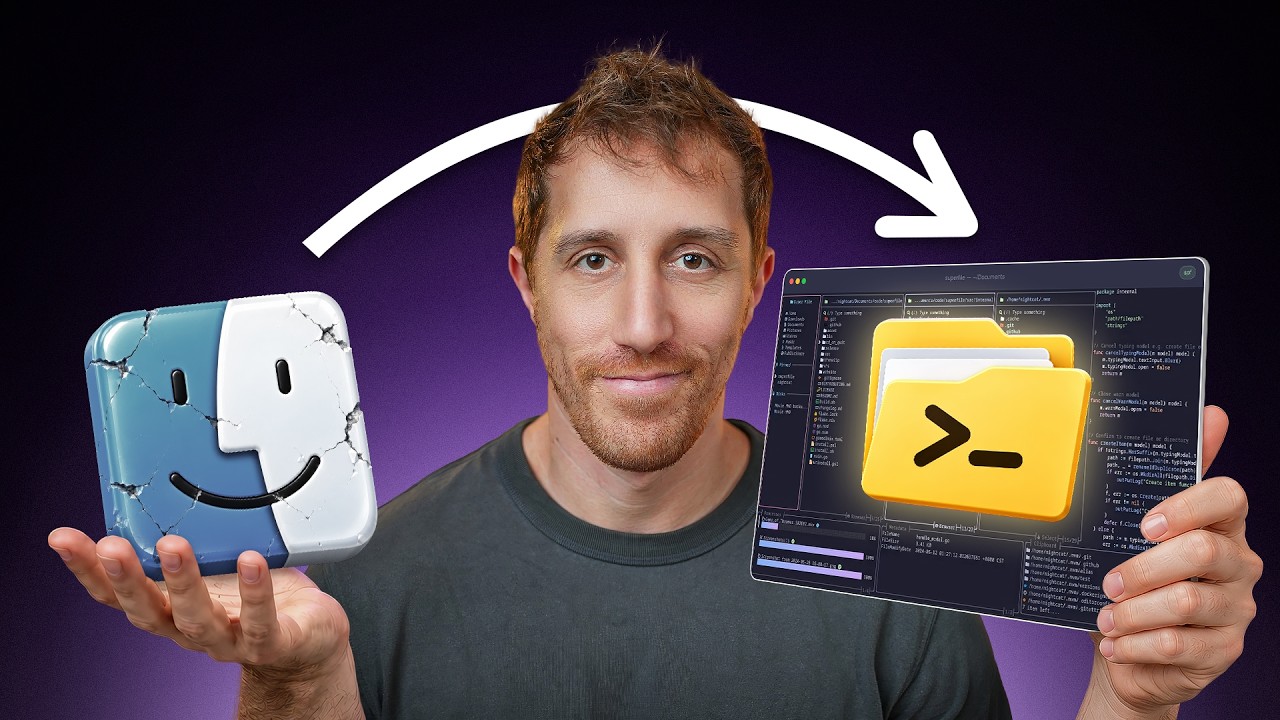
Superfile: The Terminal File Manager That Makes You Ditch Finder
DevOps Toolbox makes the case for Superfile (github.com/yorukot/superfile) — a 23K-star terminal file manager written in Go on the Bubble Tea framework, started by a CS student from Taiwan. It's a file explorer that lives in the terminal: favorite locations like Finder, a live preview pane with syntax highlighting and image previews, a metadata pane that replaces ls -la, Vim-style motions and multi-select, and a built-in prompt mode that lets you split panes or drop to a shell without leaving. The killer detail is the zoxide integration — hit z and jump to any directory instantly — plus a TOML config, an editor hook, and pinning. The honest gaps: no undo, and a couple of rough edges like cd-on-quit being a separate script.
DBX: A 25 MB Database Client for 90+ Databases — With Your Own AI on Top
Joe Maddalone looks at DBX (dbxio.com, github.com/t8y2/dbx) — a 25 MB open-source database client, built in Rust and licensed Apache-2.0, that connects to 90+ databases and has AI baked in. The hook is the size and the AI: you point the client at any OpenAI-compatible endpoint (including a local one) and it writes and explains SQL for you. The video walks through a PostgreSQL connection, query autocomplete, wiring up a local AI config, asking it to explain the database structure, and generating complex queries — then notes the surface beyond the GUI: a CLI, an MCP server, Docker self-hosting, and a web API.
A Year of Agents: Armin Ronacher on Psychosis, Friction, and Staying in the Loop
Flask and Jinja2 creator Armin Ronacher spent a year building and using AI agents, and this CodeCrafts 2026 talk is the unvarnished version: no hype, hard lessons. The thread that ties it together — 'agent psychosis' — is what happens when output scales faster than understanding: random GitHub PRs changing 664,000 lines, core infrastructure no human understands, juniors arguing with Claude to convince their seniors, and a senior who has to 'ask his machine' how his own system works. His argument: agency must rest with the human, code is the only thing agents actually execute, and 'without friction, you can't steer' — so the real engineering problem is separating the bad friction (repro cases) from the good (review call-outs, SLOs, sandboxes like his open-source Gondolin).
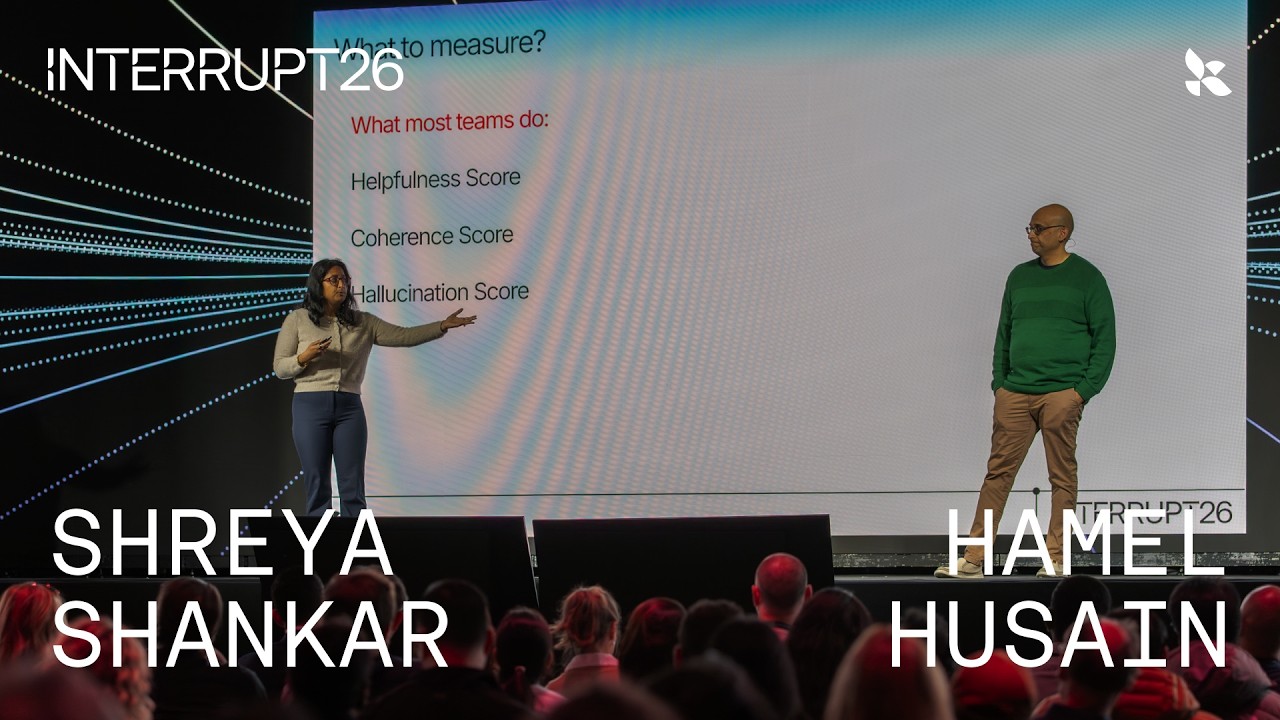
The Return of the Data Scientist — Interrupt 26
Shreya Shankar and Hamel Husain have taught evals to over 4,500 people and keep seeing the same mistakes. This Interrupt 26 talk walks through five common pitfalls — generic metrics, blind LLM judges, bad experimental design, wrong labelers, and over-automation — and shows how thinking like a data scientist fixes them.
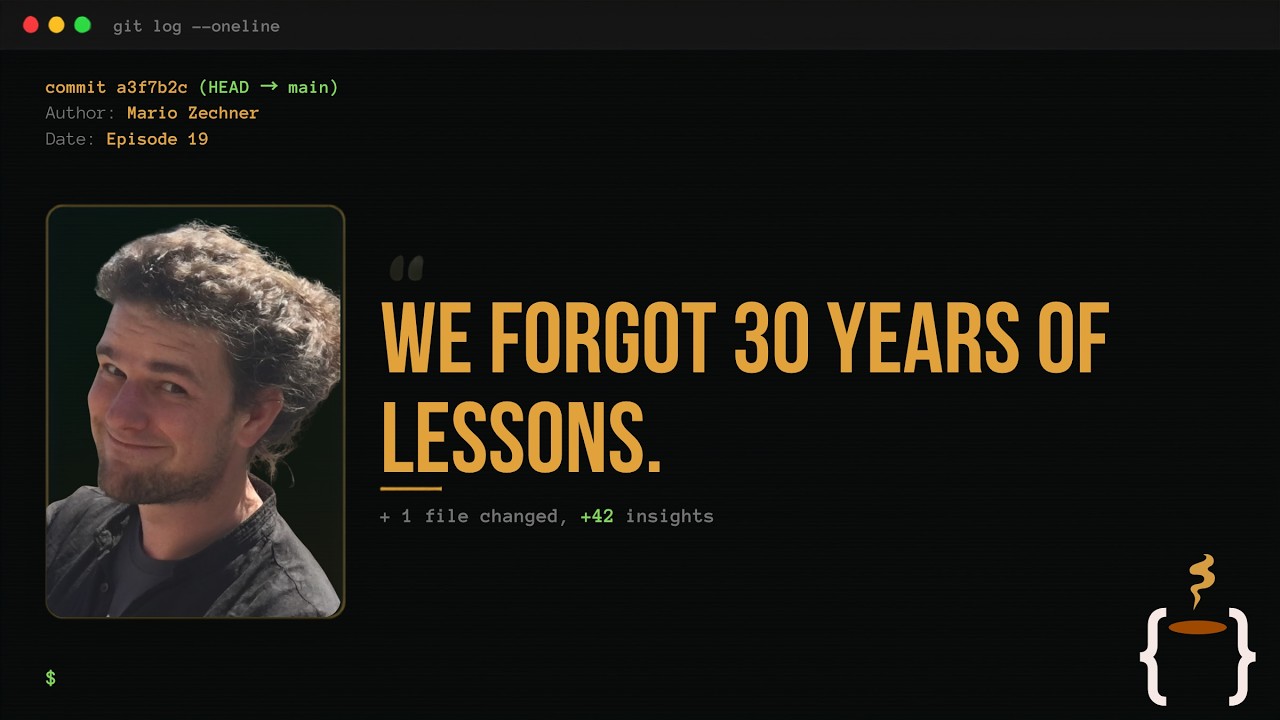
Code Isn't Free — Mario Zechner on the Hard Truths of Coding With AI
Mario Zechner, creator of Pi, joins Jan-Niklas Wortmann for a grumpy, honest 77-minute conversation about where AI coding actually stands — why spec-driven dev is hyper-waterfall, how his 'absolute caveman' workflow actually ships, running serious AI on 14 GB locally, the clanker PR flood (50-60/day), and why 500K lines of agent code just delays the punishment.
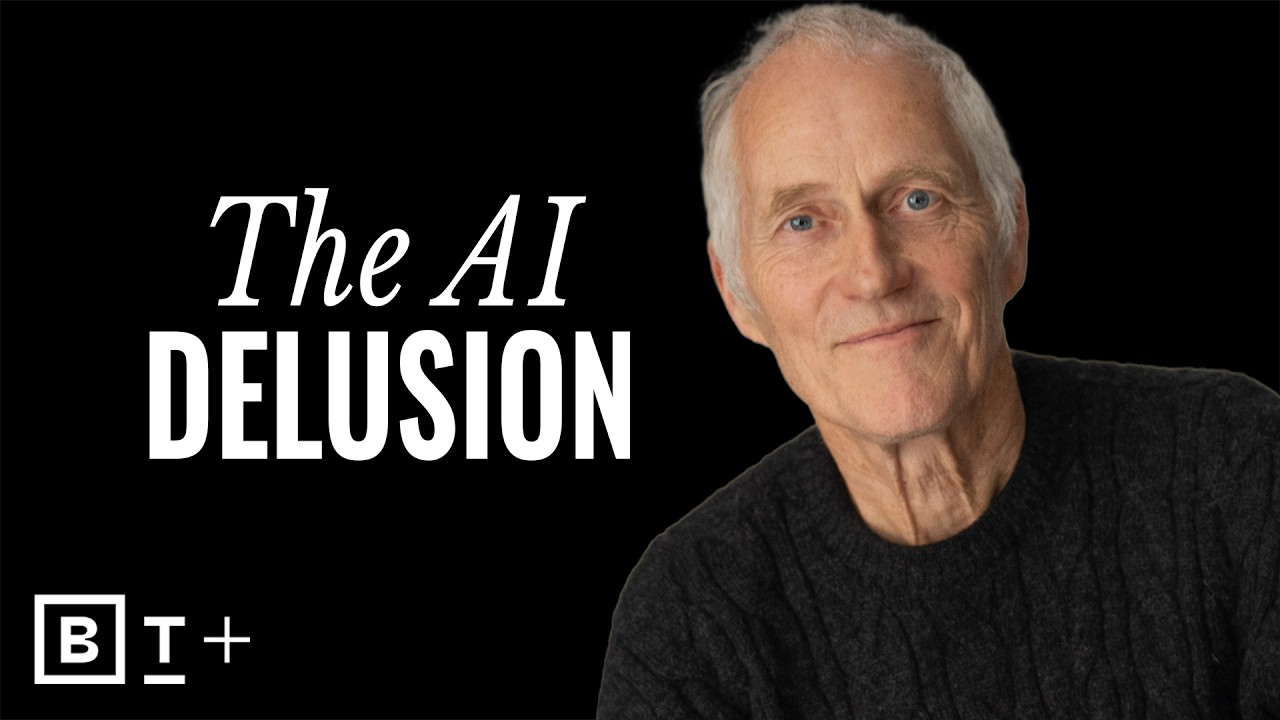
AI Hype Is Starting to Sound Like Religion — Tim O'Reilly
Tim O'Reilly warns that AI companies are following the same value extraction arc as Big Tech — and that superintelligence hype resembles religious prophecy more than viable business strategy. A sharp critique of shareholder primacy, enshittification, and the need for an architecture of participation in the AI economy.

After Claude Code: 6 Open-Source Tools You Should Know
While Claude Code excels at generating code, building maintainable enterprise systems requires structured foundations. This article recommends 6 proven open-source tools that pair well with Claude Code: NocoBase (business systems), Directus (data APIs), Metabase (BI/analytics), n8n (automation), Outline (knowledge bases), and Keycloak (identity/auth).
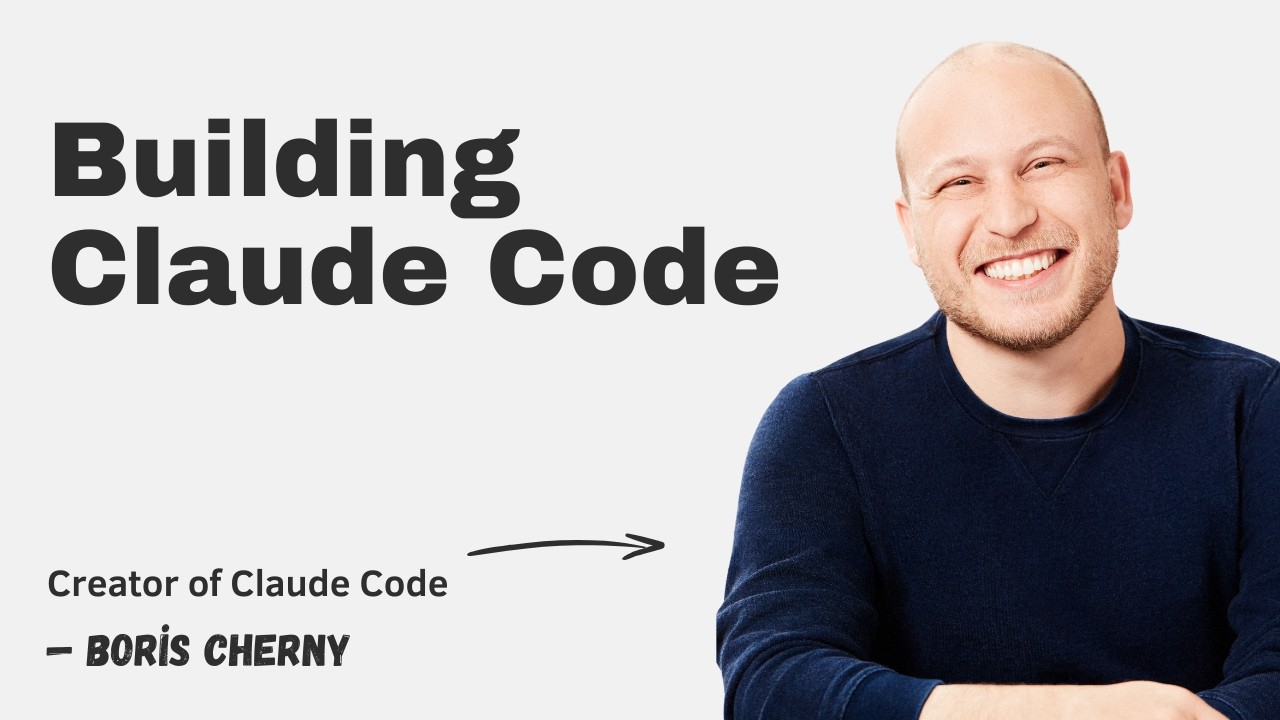
Building Claude Code with Boris Cherny — The Pragmatic Engineer
Boris Cherny — creator and Head of Claude Code at Anthropic — sits down with Gergely Orosz for a 98-minute deep conversation covering Claude Code's origin story, the terminal-first design philosophy, how it handles 100K-file codebases, and where AI-assisted development is heading.