AThe Coding Agent
✎ Suggest◎ Sign in

Tools for the agent workshop.

Hands-on utilities, workflows, and prototypes for testing ideas quickly, tightening feedback loops, and turning agent patterns into usable systems.
Page 1 of 2 · showing 1–24 of 46

The Complete Terminal Setup: DevOps Toolbox's Daily Stack

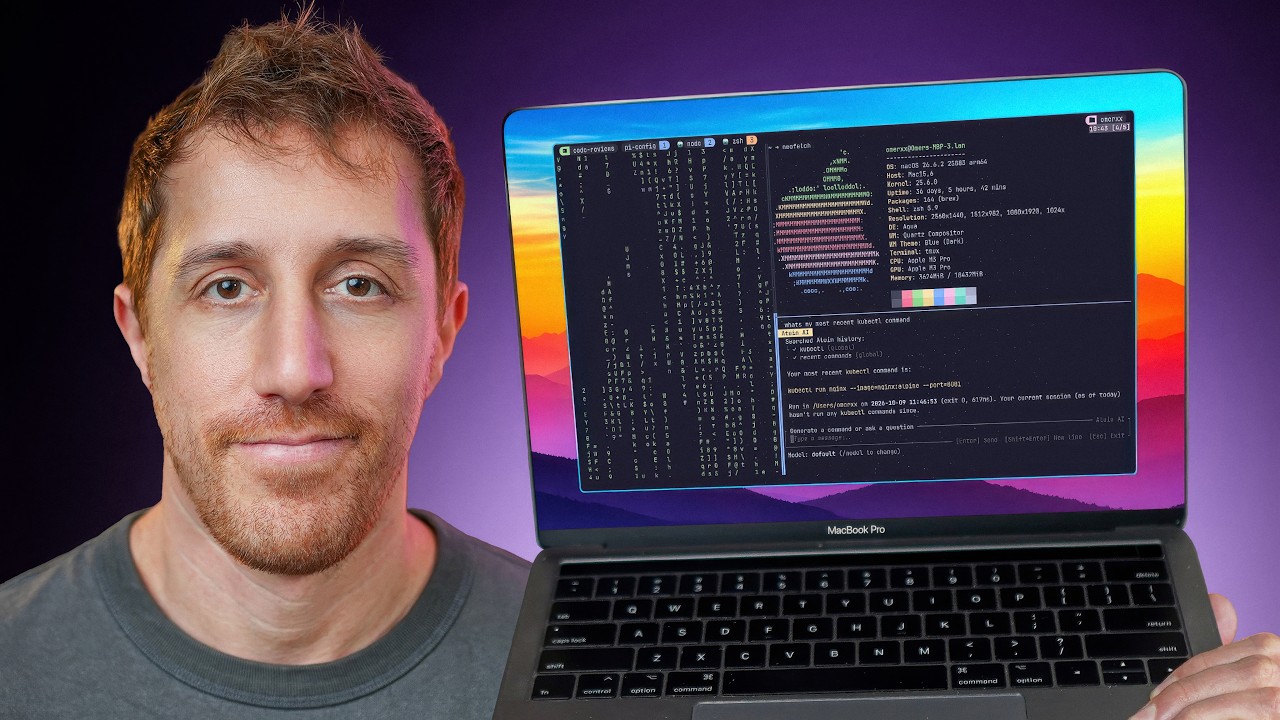
Omer H. (DevOps Toolbox, GitHub omerxx) walks through his entire daily terminal stack, layered from the emulator up: Ghostty (terminal), tmux with his own tmux-sessionx and tmux-floax plugins plus sesh, Worktrunk + workmux for parallel git worktrees and agent workflows, Pi as the coding agent (Codex via web subscription), ASD-STE100 (Simplified Technical English) configured into agent instructions, zoxide + Atuin + fzf for navigation and history, bash + eza + Starship for shell and prompt, Neovim (LazyVim) as editor, and Yazi/Superfile/Television + mise for files and dev environments. Every tool name was corrected from heavy auto-caption garble and verified against the GitHub API.
tools
DevOps Toolbox
Published2026-10-16

Sill: Your Whole Mac on Your iPhone, in a 3.3 MB Open-Source App

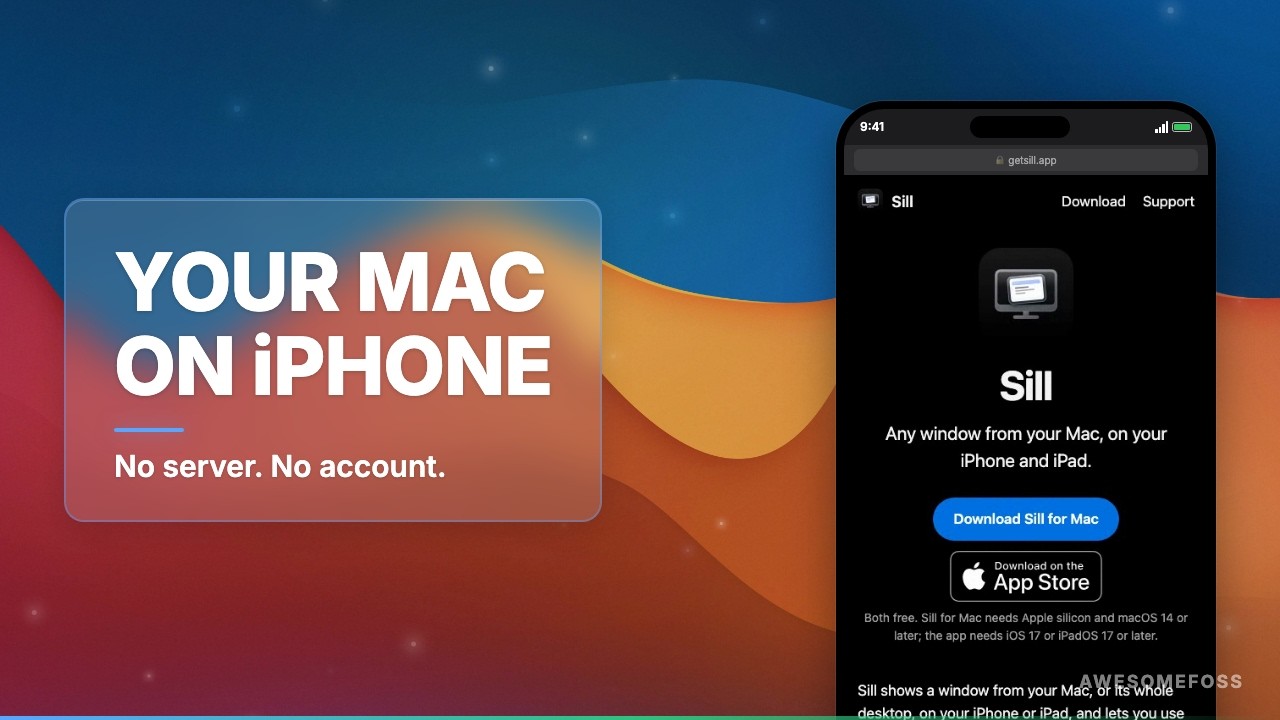
AwesomeFOSS spotlights Sill, a free, open-source (Apache-2.0) app that streams any Mac window or the whole desktop live to an iPhone or iPad — no account, no cloud, no relay server. Native Swift with zero third-party deps (3.3 MB), ScreenCaptureKit + HEVC hardware encoding over TLS 1.3, Bonjour discovery, USB wired and AirDrop-style P2P, and a VPN (Tailscale) path for remote use. Its virtual-display feature uses a private macOS API, so the Mac app ships notarized from getsill.app rather than the App Store. Verified: Saffsanity/sill (1,543★, 85 forks), developer Noah William Saffer.

tools
AwesomeFOSS
Published2026-10-15

Vorssaint: The Open-Source macOS Menu Bar Toolkit That Replaces a Dozen Apps

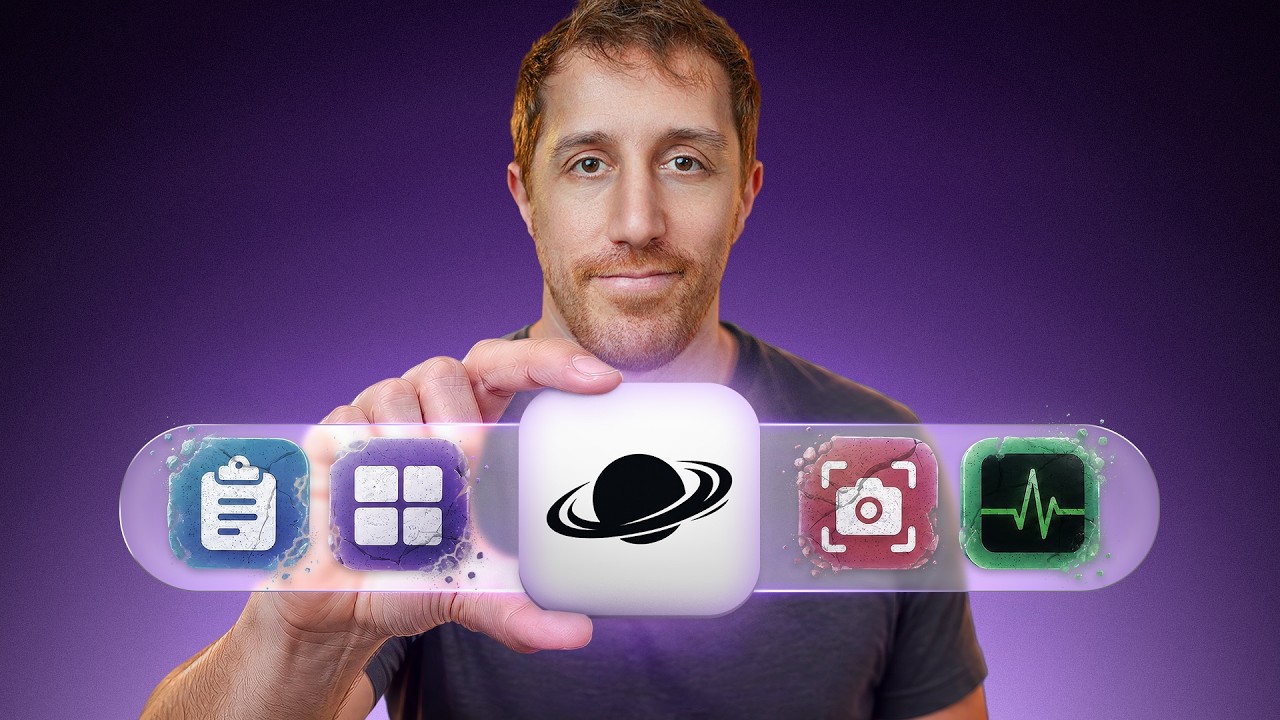
DevOps Toolbox takes Vorssaint (vorssaint/vorssaint-utils) for a real spin — a free, open-source, GPL-3.0 Swift menu bar app that packs a per-app audio mixer, an app switcher with live previews and a fuzzy picker, a screenshot tool with temporary shareable links and a built-in editor, a disk cleaner (24 GB found, 17 GB recovered), a proper app uninstaller, a system monitor, text snippets, a camera preview, a URL cleaner, and more into one icon. The developer is anonymous (the host flags this given the permissions requested), a former Windows user who built it because macOS lacked Windows-style conveniences; it went open source in June 2026 and is now viral. The recurring comparison is Raycast — the host's verdict is 'more than some Raycast overlap, but each has its own place,' with Vorssaint's fully-local, account-free, no-telemetry model as the differentiator. The video's '13,000 stars' is stale: the repo is now at 25,840 stars and 1,091 forks (GitHub API, Oct 10). KeeperDB (Keeper Security) is the mid-roll sponsor, labeled as such.

tools
DevOps Toolbox
Published2026-10-10

Hunk: A Review-First Terminal Diff Viewer for Agentic Coders

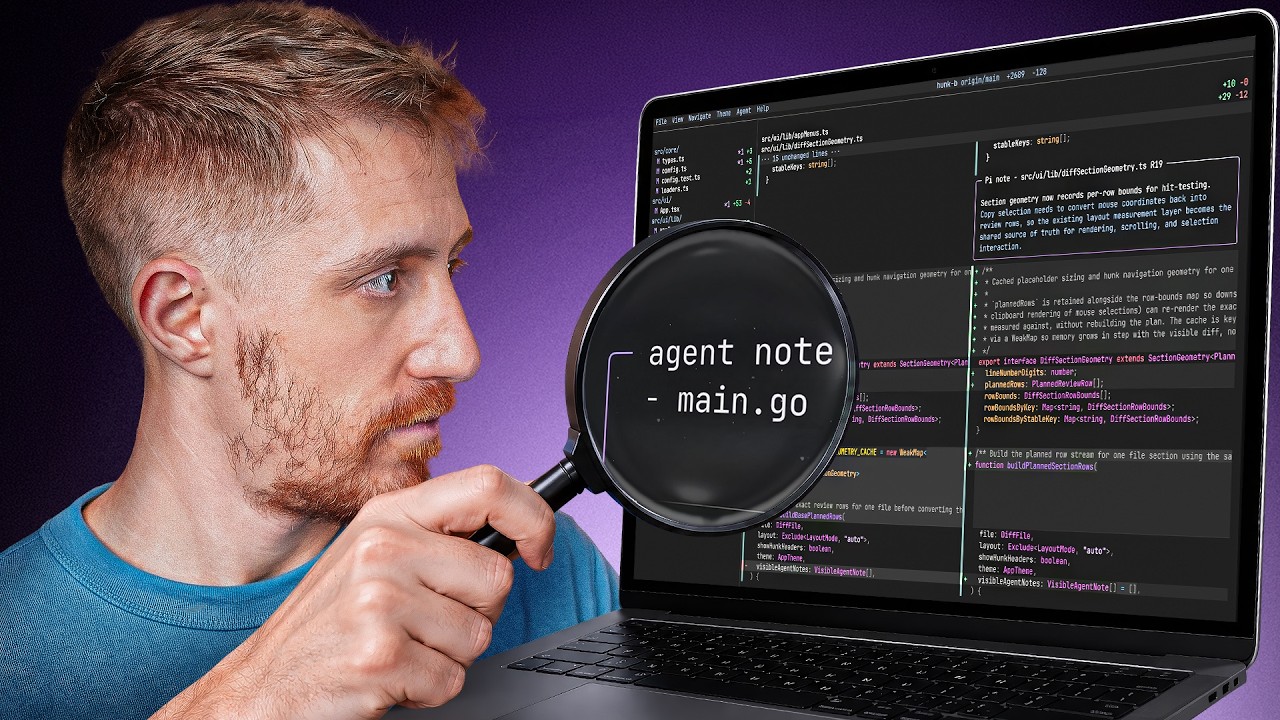
Hunk is a review-first terminal diff viewer for agentic coders, built by Sentry co-founder Ben Vinegar on Anomaly's Open TUI framework, and this walkthrough explains why it has become the local code-review tool of choice for people like Mitchell Hashimoto. It wraps a GitHub-style diff panel with syntax highlighting, Vim motions, stacked or side-by-side views, and a sidebar, then adds the feature that sets it apart: line-based notes that you or an AI agent can leave directly on the diff. The agent workflow is the real magic: run hunk in session mode, let your coding agent install the hunk skill, and it will review its own changes and leave inline comments you can later feed back to it to fix. The honest caveat is that notes are session-local, so they are not synced to GitHub and the workflow is not yet collaborative, but Hunk still stands as the best local-review experience the author has found, with first-class JJ support, a stash viewer, and a git pager mode rounding it out.

tools
DevOps Toolbox
Published2026-10-02

Superfile: The Terminal File Manager That Makes You Ditch Finder

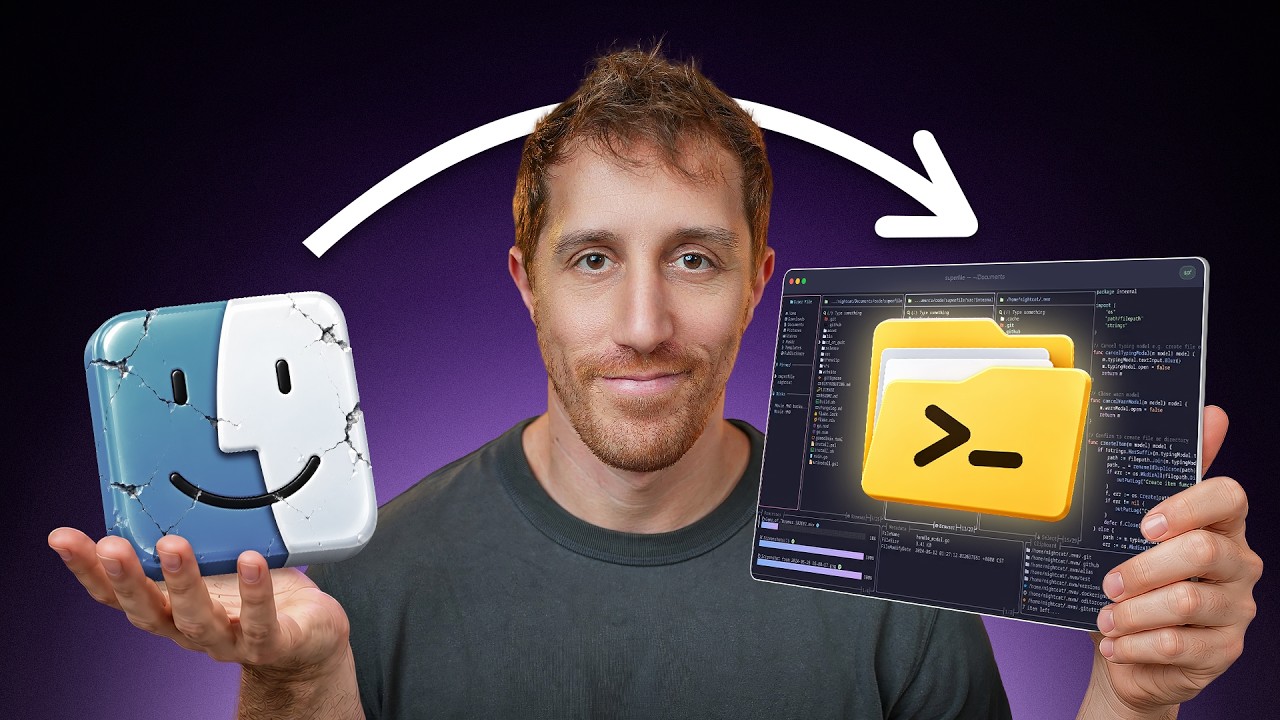
DevOps Toolbox makes the case for Superfile (github.com/yorukot/superfile) — a 23K-star terminal file manager written in Go on the Bubble Tea framework, started by a CS student from Taiwan. It's a file explorer that lives in the terminal: favorite locations like Finder, a live preview pane with syntax highlighting and image previews, a metadata pane that replaces ls -la, Vim-style motions and multi-select, and a built-in prompt mode that lets you split panes or drop to a shell without leaving. The killer detail is the zoxide integration — hit z and jump to any directory instantly — plus a TOML config, an editor hook, and pinning. The honest gaps: no undo, and a couple of rough edges like cd-on-quit being a separate script.

tools
DevOps Toolbox
Published2026-09-30

DBX: A 25 MB Database Client for 90+ Databases — With Your Own AI on Top

Joe Maddalone looks at DBX (dbxio.com, github.com/t8y2/dbx) — a 25 MB open-source database client, built in Rust and licensed Apache-2.0, that connects to 90+ databases and has AI baked in. The hook is the size and the AI: you point the client at any OpenAI-compatible endpoint (including a local one) and it writes and explains SQL for you. The video walks through a PostgreSQL connection, query autocomplete, wiring up a local AI config, asking it to explain the database structure, and generating complex queries — then notes the surface beyond the GUI: a CLI, an MCP server, Docker self-hosting, and a web API.

tools
Joe Maddalone
Published2026-09-27

Tuios: The Terminal Window Manager That Knows What Your Agents Are Doing

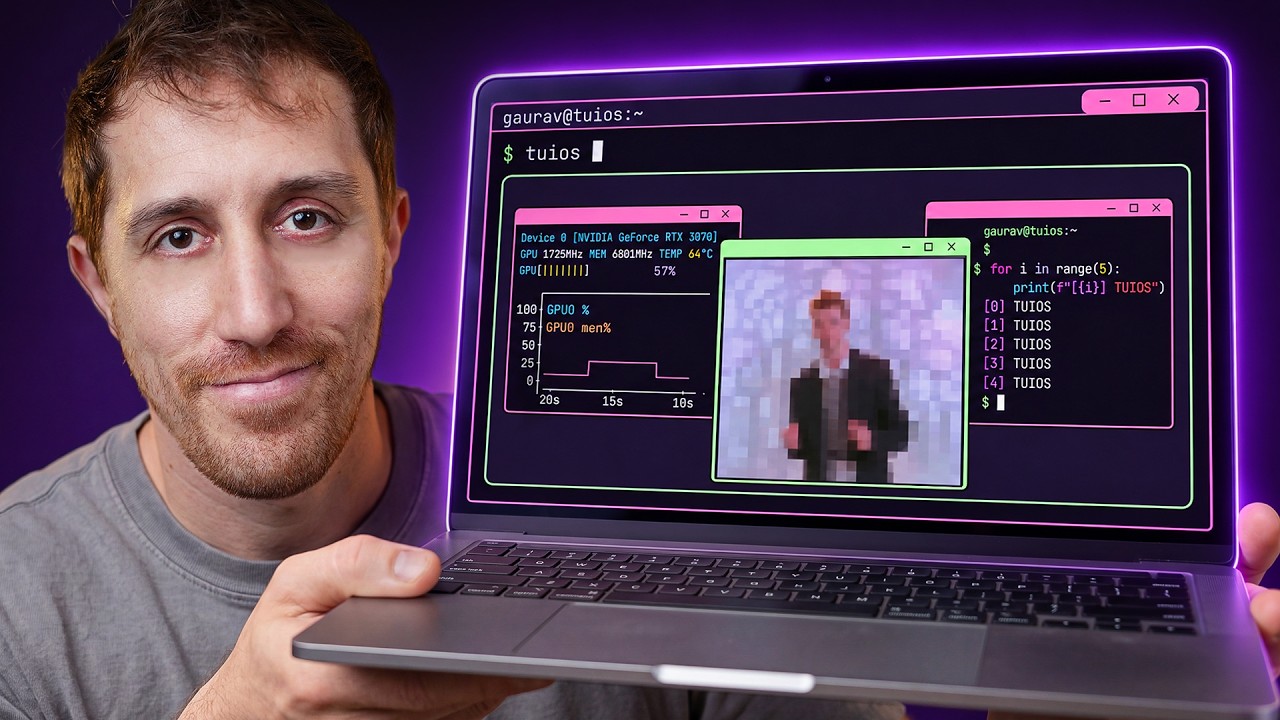
DevOps Toolbox takes a look at Tuios — a terminal window manager from UAE developer Gaurav Gosain that bills itself as a 'terminal UI operating system.' It's a multiplexer, a tiling manager and a mouse-friendly GUI in one Go binary: draggable panes, workspaces, a LazyVim-style Ctrl-B prefix helper, a fuzzy Ctrl-P command palette, saveable layouts, and an optional web daemon for remote control. The video runs it against tmux, Zellij, Herdr and Ghostty and lands on a clear verdict — gorgeous visuals and motions you genuinely haven't seen in a terminal, sessions that aren't fully baked yet, and a natural home as the multiplexer for your remote hosts and agent boxes.

tools
DevOps Toolbox
Published2026-09-27

Workmux: Git Worktrees + Agent Control, Inside tmux

Workmux is the answer to 'I don't want a new terminal — I want agent control inside tmux.' It's a Rust CLI from Raine Virta that makes git worktrees first-class citizens, gives you a live dashboard with an interactive preview of every running agent, and drops a sidebar into a tmux pane. The standout feature is session mode: a worktree + agent launches as a tmux session that your existing session manager (sessionx, sesh) picks up immediately. This deep dive covers setup, the worktree model, the dashboard's input portal (step inside the agent's window and talk to it), the parallel workflow flags, and the sweep cleaner — plus the honest caveats.

tools
DevOps Toolbox
Published2026-09-14

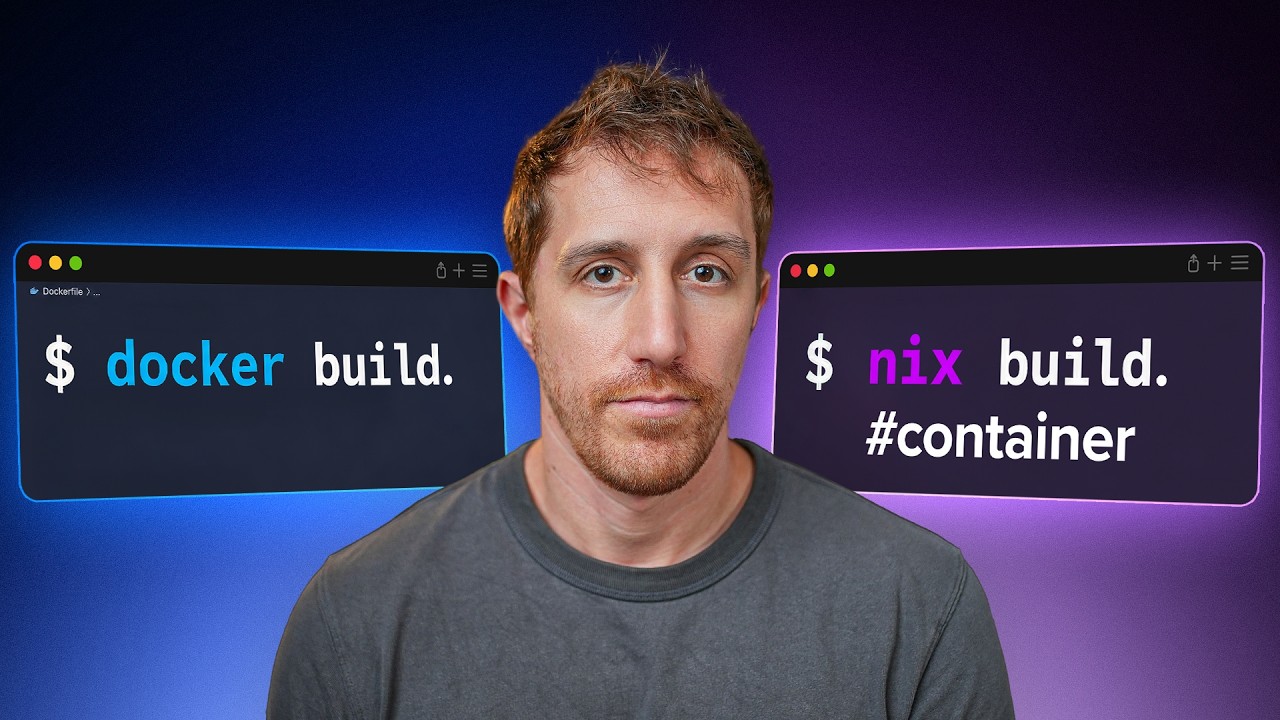
The Nix Fix for Docker's Biggest Problem: Reproducible Images via flake.lock

Docker images and tags are mutable — push a new version to the same name and tag and the next pull gets the rogue one. The full SHA256 hash would lock it down, but almost nobody uses it. Nix solves this natively: a flake pins the entire build environment in a flake.lock, so a single declarative definition produces byte-identical container images for both x86 and arm64, with no base image and no Buildx. This deep dive walks the Dockerfile-vs-Nix side by side, the 'build the app independently of Docker, then copy one binary into an empty root' trick, the honest caveat (the syntax is cursed, and AI is the natural copilot for it), and the verdict: don't replace every Dockerfile — use Nix where cross-compilation and reproducibility actually matter, and leave the rabbit hole behind.

tools
DevOps Toolbox
Published2026-09-14

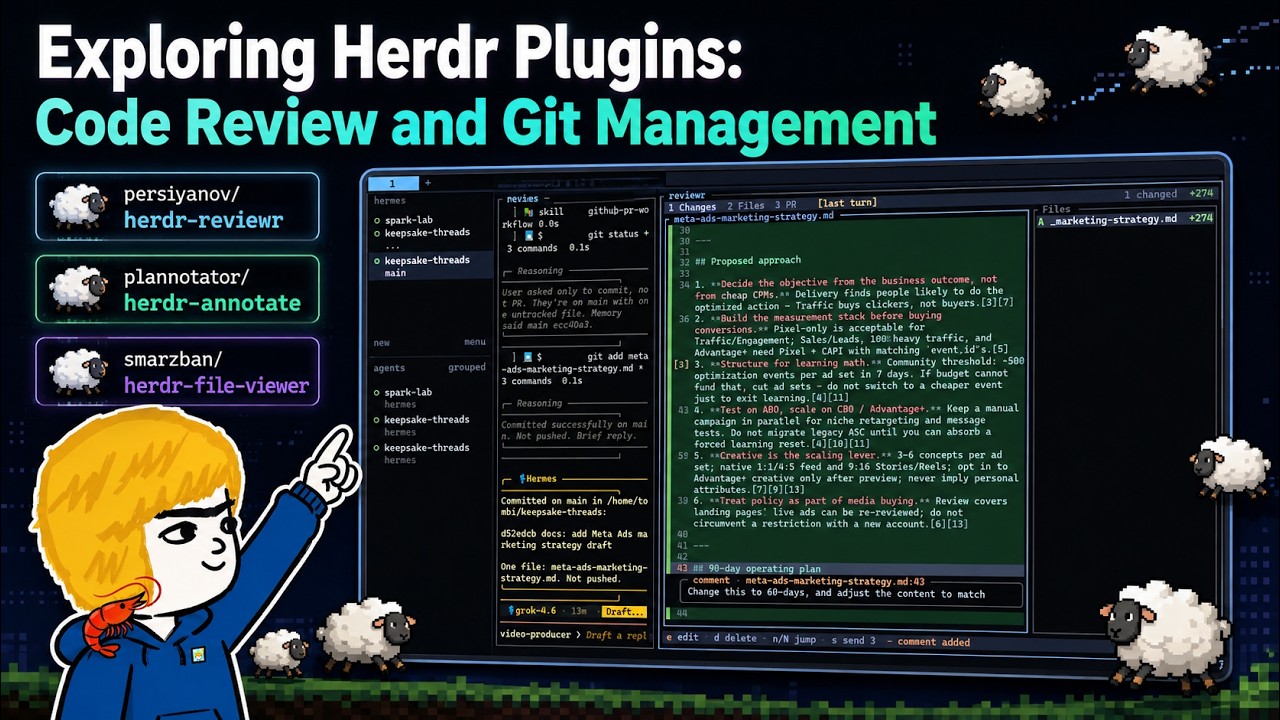
Exploring Herdr Plugins: Code Review and Git Management — reviewr, annotate, and file viewer

herdr — the tmux-style runtime your coding agents live on — went from 'another tool I tested' to Tonbi's daily driver, and its plugin marketplace is closing in on 1,000 entries. This is a tour of the three best for code review and git management: herdr reviewr (a diff/file-viewer sidebar where inline comments get sent straight back to the agent to act on, plus branches and a PR tab), herdr annotate (mark up the agent's actual responses — plans and prose, not just code — and feed the annotations back as context), and herdr file viewer (rendered markdown, pinned files, and quick diff toggling). All three are MIT, actively maintained, and install with a single herdr plugin install command. Note: the host runs Hermes agents in his herdr panes, so this is directly applicable to a Hermes workflow.

tools
Tonbi's AI Garage
Published2026-09-14

zvec-grep: Local-First Search for Humans and AI Agents — ripgrep, BM25, and Vector in One Index

zvec-grep (zg) is a local-first search layer that puts three engines — ripgrep, BM25, and vector search — behind one interface, with one hybrid index that both humans and AI agents can use. The pitch: grep needs the exact word, and AI agents burn twenty tool calls and half their context window wandering. zg runs the whole investigation loop (semantic to find the neighborhood, keyword to anchor identifiers, regex to confirm the line), keeps files, indexes, and even embedding models on your machine, and speaks MCP so Codex, Claude Code, Qwen Code, Cursor, and OpenCode can reach for it and cite their sources with file names and line numbers. This deep dive covers the two-book demo, the paired A/B benchmarks, the Pylint/Matplotlib/Django case studies, and the honest limits — plus the fact that the repo has grown from ~1,700 to 3,500+ stars.

tools
Zorvex AI
Published2026-09-14

Drive-Screen: The Skill That Lets Claude Code Drive Your Whole Computer

Cole Medin's new favorite skill, drive-screen, lets Claude Code or Codex drive an entire computer — opening apps, clicking around, testing desktop software — using nothing but a coding agent and shell commands. No computer-use harness, no GitHub repo of tooling: PowerShell on Windows, AppleScript on macOS, and a ~400-line SKILL.md with a custom CLI for window discovery, typing, and pasting. This deep dive covers how it works (control loop, hard rules, traps), the failure modes that made it a skill in the first place, and the honest trade-offs: screen control is the slowest and least reliable path, prompt injection is still a concern (he links HiddenLayer's writeup), and he uses the newest models — Fable 5.1 and GPT-6 Astra — as the real guardrail. MIT, free, installable into any coding agent.

tools
Cole Medin
Published2026-09-14

claude-mem: The 93,000-Star Memory Plugin That Watches Your Coding Agent Work

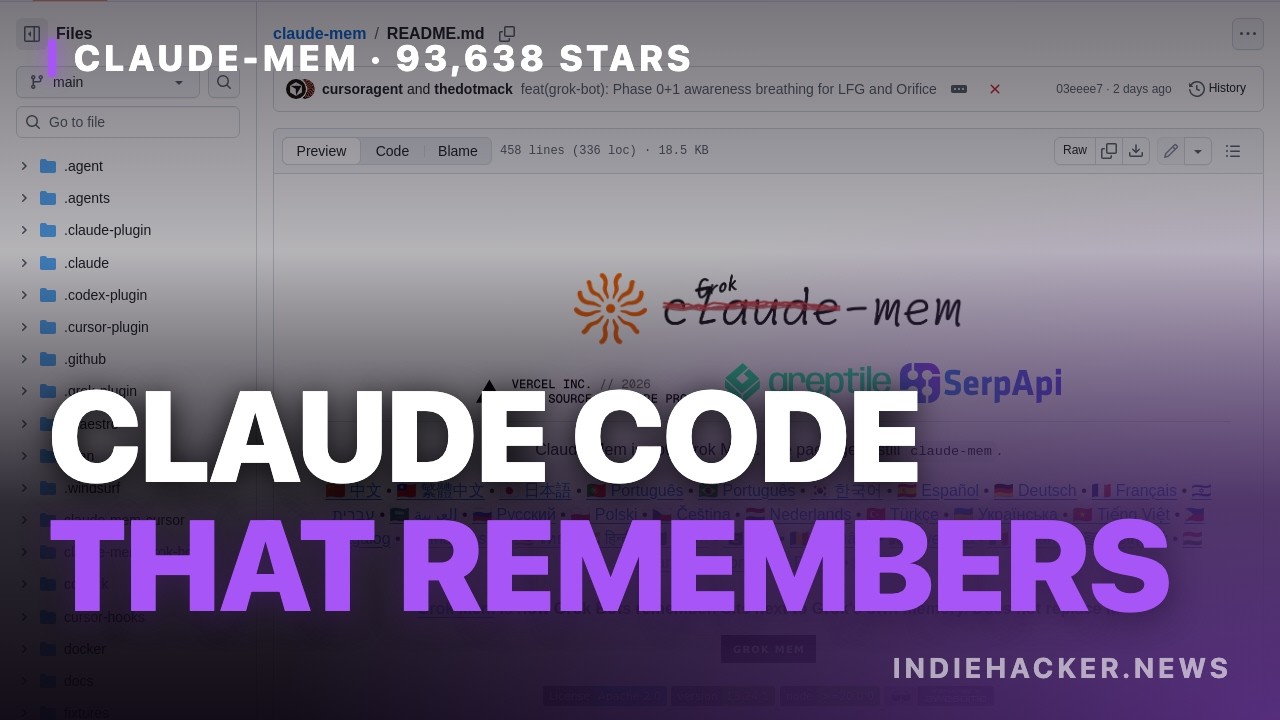
claude-mem sits at ~93,000 stars and captures what your coding agent actually does — every tool call runs through a hook, a second model compresses the activity into typed observations, and the relevant ones get injected back into your next session. This deep dive unpacks how it's wired (out-of-band capture, SQLite FTS5 + Chroma hybrid search, a bun-managed local worker, three MCP tools), how far it reaches (plugins for Cursor, Codex, Grok, Windsurf, OpenClaw, and Hermes), and the trade-offs the landing page doesn't advertise: one maintainer wrote 83% of the commits, 286 PRs sit open, the README now says “Grok mem,” a crypto token lives at the bottom of the page, and the paid tier starts at $30/month.

tools
Indie Hacker News
Published2026-09-14

I Don't Want a New Terminal. I Want THIS for Tmux.

workmux — Raine Virta's Rust CLI — pairs every git worktree with a dedicated tmux window and layers agent monitoring, prompt injection, and one-command cleanup on top. This deep dive covers wm init/add, the dashboard and sidebar for agent visibility, prompt injection (-p), session mode with sessionx/sesh, and the wm merge lifecycle.

tools
DevOps Toolbox
Published2026-09-11

Archify: Verify AI Architecture Maps Before Exporting Interactive HTML

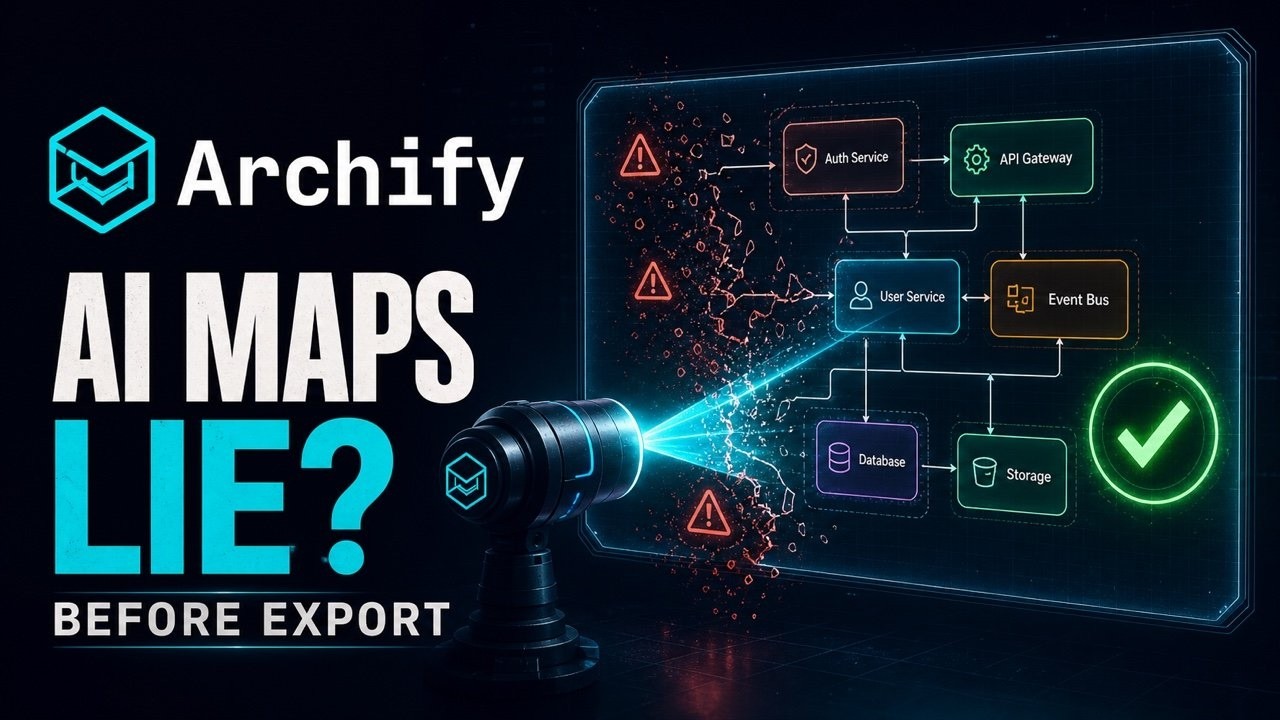
Archify (github.com/tt-a1i/archify) solves the AI architecture-diagram hallucination problem. Ask a coding assistant to map your architecture and you get hallucinated connections and overlapping layouts. Archify constrains the AI to emit a typed JSON intermediate representation — the AI only assigns semantic relationships, never visual layout — then mathematically validates it (doctor + validate + showcase-quality flag, nine artifact checks) before atomic delivery of a self-contained interactive HTML diagram. Key details: the Cursor install needs non-interactive flags or it stalls; feed the diagnostic receipt back to the AI instead of fixing coordinates by hand; never use the repository-root-evidence flag on sequence/workflow diagrams. Local-first, so proprietary topology never leaves the machine.

tools
Alex Hitt
Published2026-08-29

Archify: The Four Errors Everyone Got Wrong

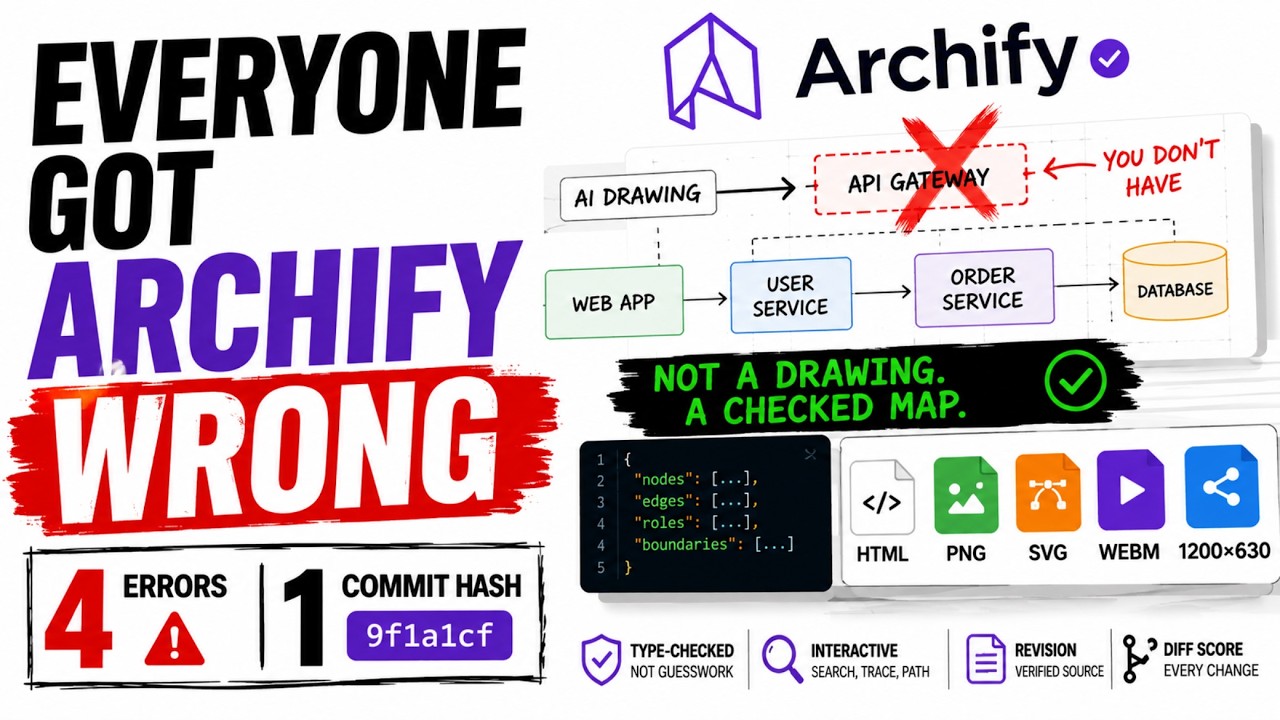
The viral framing was wrong: AI did not finally learn to draw architecture diagrams. Archify (by tt-a1i) takes the pen away from the model entirely. The agent emits typed JSON IR (nodes, edges, roles, boundaries); a zero-dependency Node.js system deterministically compiles it into HTML/SVG — zero pixels placed by the model, zero layout decisions. Not Mermaid: a self-contained interactive artifact (HTML+PNG+SVG+WebM+1200x630 share card) you interrogate, not read. Four errors debunked: (1) the AI draws it, (2) prettier Mermaid, (3) validated means correct — it means matches its own typed source, and a wrong fact that is correctly typed still compiles, (4) compare mode reviews for you — it reports five nouns (added/removed/changed/moved/rerouted) and zero scores. The refusal to grade is the feature. The one missing number: no published accuracy benchmark for how often typed facts match the repo.

tools
Signal Coders
Published2026-08-28

Herdr Crash Course — Step-by-Step Setup

Alejandro AO tours Herdr, a terminal multiplexer built for AI agents: workspaces/tabs/panes, agent auto-detection with color tracking, agents as background processes that survive closing the app, prefix keys, VPS remote mode via 'herdr --remote', and controlling Herdr itself with an agent through the official CLI skill. Also introduces Tau, a Python port of Pi with local-model support.

tools
Alejandro AO
Published2026-08-27

OpenCodex — Run Any LLM Inside Codex, Claude Code, OpenCode and More

OpenCodex is a local proxy that breaks vendor lock-in: run any model inside any coding agent (Claude in Codex, Gemini in Claude Code, local models in both). 40+ providers via 5 adapters (Anthropic Messages, Google Gemini, Azure, OpenAI Responses, chat completions); OAuth or API key auth; a web dashboard with a snapshot-before-write integrations tab (10 rollback backups per client) that auto-detects 10+ agents (Codex, Claude Code, OpenCode, Pi, AMP, Hermes); sub-agent model pinning; sidecars that restore web search + image understanding for non-OpenAI models; and full CLI parity (ocx start/sync/status/login/integration/stop). MIT, TypeScript, independent of OpenAI/Anthropic.

tools
AI Stack Engineer
Published2026-08-26

Somehow, Atuin Just Got EVEN Better

DevOps Toolbox dives into Atuin 18.13: the SQL rewrite that made shell history search up to 78x faster, the new Atuin AI (natural-language history search that makes it 'what Warp used to be for'), the PTY proxy and tmux pop-ups, and synced scripts, dotfiles, and aliases.

tools
DevOps Toolbox
Published2026-08-14

Kickstart.nvim: One File, One Command, Your Own Neovim

TJ DeVries, a Neovim core maintainer, walks through kickstart.nvim — 31,230 stars, a single config file that bootstraps LSP, TreeSitter, Telescope and more from one git clone. Not a distribution — a documented starting point you make your own.

tools
TJ DeVries
Published2026-08-08

Pangolin: The Self-Hosted Tunnel That Replaces Tailscale, Cloudflare and Twingate

A fifteen-minute tour of fosrl/pangolin — 22,008 stars on GitHub, described as 'CloudFlare tunnels with Twingate baked in, but self-hosted.'

tools
DevOps Toolbox
Published2026-08-07

Flint: Splitting Meaning From Geometry in AI-Generated Charts

Microsoft Research's Flint splits chart generation into two jobs: the model describes meaning in ~10 lines of semantic JSON, and a deterministic compiler makes every geometric decision, emitting real Vega-Lite, ECharts or Chart.js. Built because their own analytics agent topped out at ~80% good-looking charts - one in five broken. Includes verification of the video's claims against GitHub, npm, PyPI and arXiv, with three figures that have since drifted.

tools
Editorial
Published2026-07-28

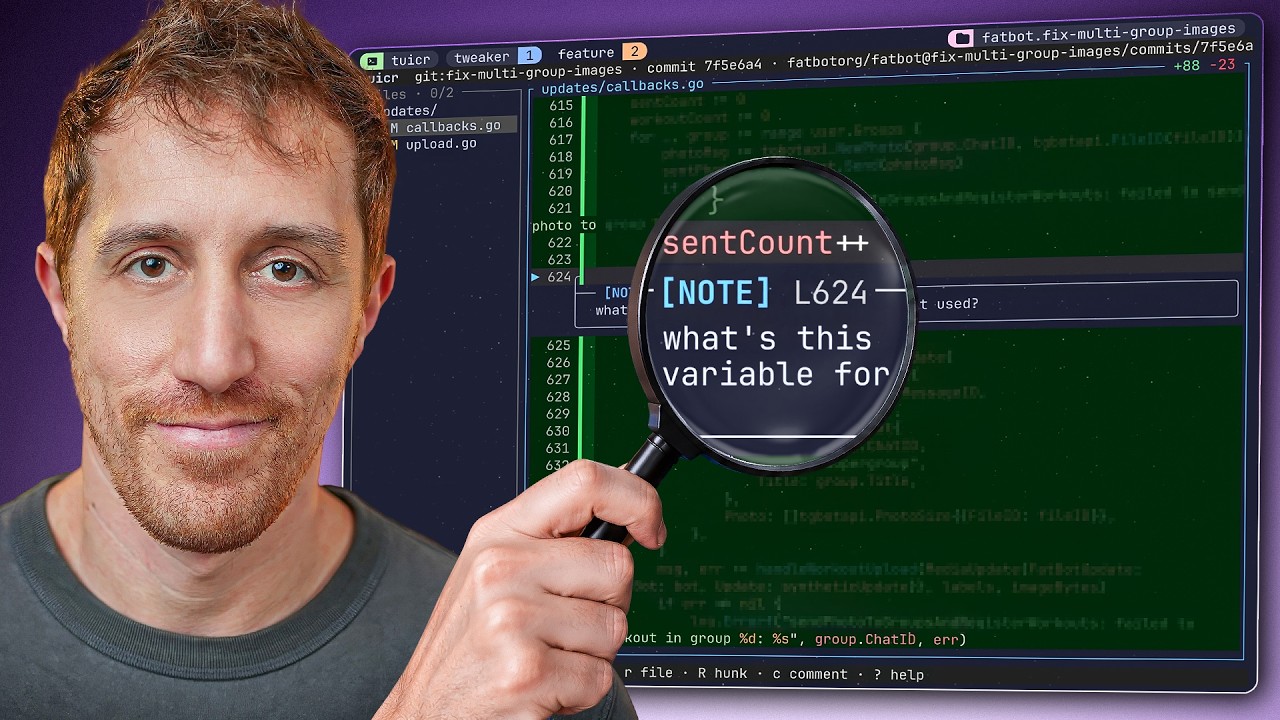
tuicr: The Review Tool That Pushes Back to GitHub

Terminal diff viewers are a crowded field, and reading a diff is the easy half — the review is the artefact your team needs, and it has to land where they are. tuicr's one differentiator is that it submits real inline comments to GitHub and GitLab from the terminal. The most instructive moment is a failure: the agent skill found no active session and quietly did a local review instead, producing plausible-looking wrong output from a precondition it could have checked.

tools
DevOps Toolbox
Published2026-07-28

GitReverse: Turning a Repository Back Into the Prompt That Would Build It

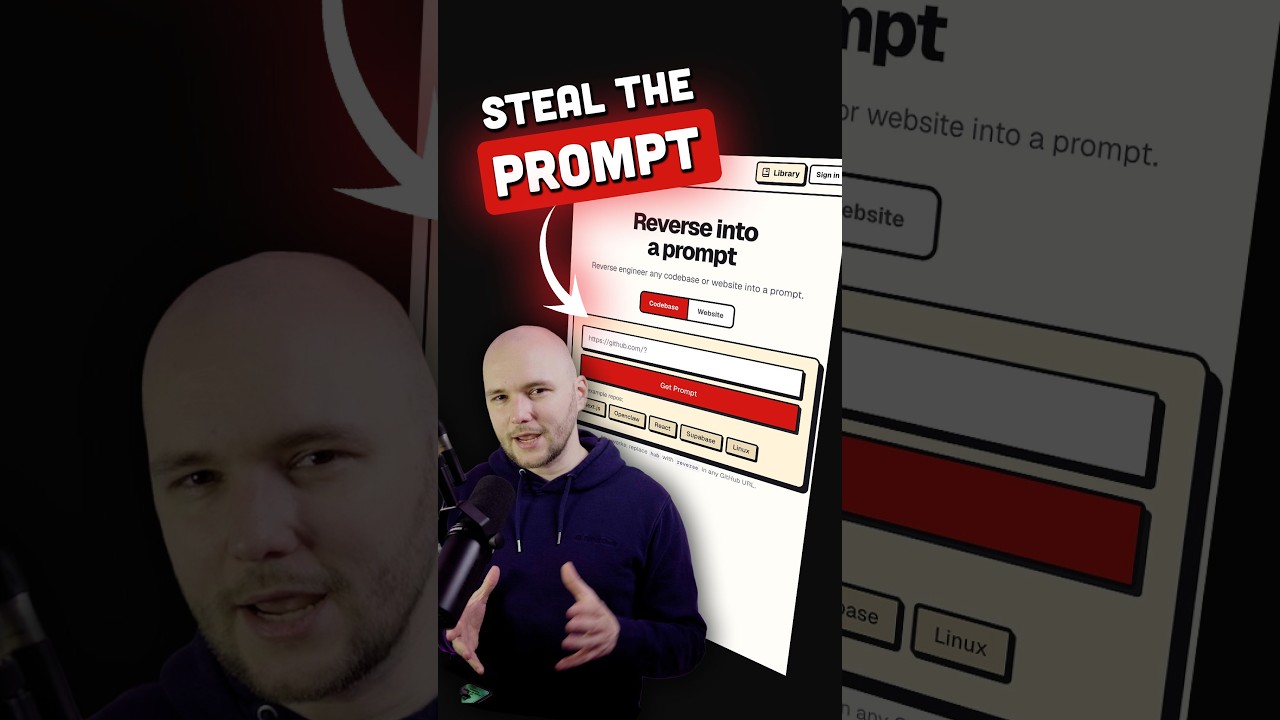
Vibe coding runs prompt to project; this inverts it. The detail that reframes the whole tool is what it reads: repository metadata, the root file tree at depth one, and the README — no source files at all. So output quality tracks your README, which makes the tool most useful as an LLM-readability test for your documentation rather than as codebase reverse engineering. Also flagged: the repo has no licence file despite being described as open source.

tools
Better Stack
Published2026-07-27
‹ prev12next ›